Ski Goggles for Glasses: How to Choose an OTG Fit
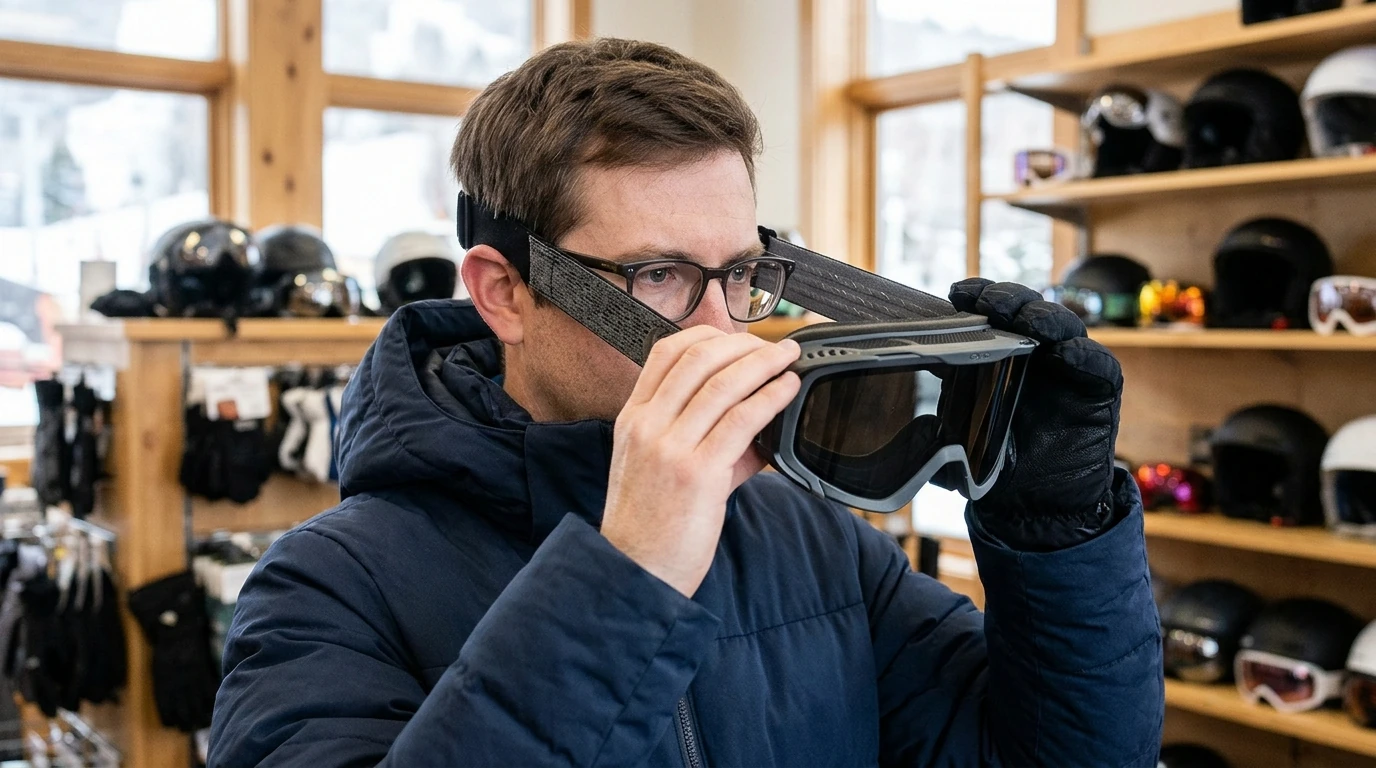
What ski goggles can fit glasses?
Ski goggles designed to fit over prescription glasses are called OTG, or over-the-glasses, goggles. They typically have a deeper frame and more room around the temples than standard goggles, so your glasses can sit inside without being pressed tightly against your face.
OTG goggles are available for both adults and kids. For children, choose a youth OTG model rather than assuming an adult frame will seal properly. Our guide to kids’ ski goggles covers features to consider alongside glasses compatibility, including UV protection, fog control, and helmet fit.
How do you find a comfortable OTG fit?
Your glasses should fit inside the goggle frame without bending their arms or pushing the bridge into your nose. Look for notches or channels in the side foam that leave room for the glasses’ temples. The goggles should also sit close enough to your face for the foam to form an even seal, without uncomfortable pressure points.
Try the goggles on with the glasses and helmet you plan to wear on the slopes. Adjust the strap until the goggles stay in place without squeezing. There should be no large gap between the helmet and the top of the goggles, and the helmet should not force the goggles down onto your nose.
Which features help when wearing glasses under goggles?
Fogging can affect both the goggle lens and your prescription lenses, so ventilation matters. We recommend looking for these practical features:
- Vented frames: Openings help air circulate around the lenses. Keep them clear of snow and avoid covering them with a face covering.
- Double lenses and anti-fog treatment: These can help reduce fogging on the goggle lens, although your glasses may still fog separately.
- UV protection: Choose a lens labeled UV400 or one that blocks 100% of UVA and UVB rays.
- Helmet-compatible strap: An adjustable strap should fit securely around your helmet without pulling the goggles out of position.
If your glasses fog, step inside or pause in a safe place to let them clear. Avoid wiping the inside of an anti-fog goggle lens while it is wet, since rubbing can damage its coating.
FAQ
Can you wear contact lenses while skiing?
Yes, many skiers wear contact lenses under goggles. A well-fitting goggle seal can help protect your eyes from wind and snow, but contacts may still feel dry in cold conditions.










Leave a comment