Best Kids Ski Goggles: UV400, Anti-Fog, OTG Helmet Fit
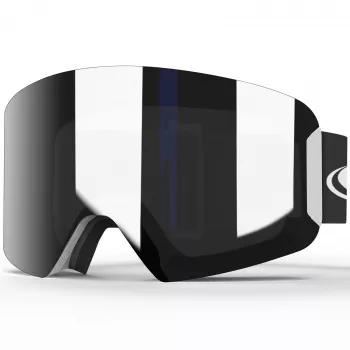
Kids Ski Goggles with UV400, Anti-Fog Performance, and OTG Comfort for Helmet Days
Cold wind, bright glare, and swirling snow can turn a fun run into a squinting struggle—especially for kids. The right goggles keep young eyes protected, reduce fogging during active laps, and sit comfortably with a helmet and (if needed) prescription glasses. When visibility stays clear, kids tend to stay calmer, follow instruction better, and focus on the basics like stopping, turning, and looking uphill.
What matters most in kids’ ski and snowboard goggles
- Reliable UV protection: Mountain sun is intense, and snow reflection increases exposure. Look for full lens UV coverage (UV400 is a common benchmark) for long days outside.
- Anti-fog support that actually helps: Lessons include lots of start/stop movement, lift rides, and warm-to-cold transitions—prime fog conditions if a lens can’t manage moisture.
- Kid-friendly fit: Smaller face coverage, soft foam, and a strap that stays put over helmets help reduce shifting and pressure points.
- Confidence-building visibility: Mixed light is hard for beginners. Clear, distortion-minimized optics help depth perception when kids are learning speed control.
- Durability: Goggles will be dropped, stuffed into backpacks, and handled with gloves—strong materials and a scratch-aware care routine matter.
Product snapshot: UV400 protection + OTG design + helmet fit
If you’re looking for a practical, kid-centered option that checks the big boxes—UV protection, anti-fog help, and glasses-friendly spacing—start with a model designed for helmet days and smaller faces. A solid example is the Kids Ski Goggles UV400 Anti-Fog OTG Snowboard Glasses with Helmet Fit, built around everyday on-mountain comfort.
- UV400-rated lens protection helps reduce UVA/UVB exposure during bright, reflective conditions.
- Anti-fog construction is designed to minimize misting from breath, sweat, and temperature swings.
- OTG-friendly shape supports wearing goggles over many styles of kids’ eyeglasses without awkward pressure.
- Helmet-compatible strap and frame shape aim for a stable seal and fewer wind/snow gaps.
- Balanced design for learning helps reduce distractions so kids can focus on safe movement and listening to coaches.
Fit and sizing: getting a comfortable seal on smaller faces
Fit is the difference between “they wore them all day” and “they’re on the helmet by lunch.” Use these quick checks before committing to a full day on the hill:
- Check the seal: The frame should sit evenly with no obvious gaps at the nose bridge or cheekbones. Gaps often lead to watery eyes and fog from leaking warm air.
- Helmet pairing: The goggle frame should meet the helmet brim with minimal “gaper gap,” without pushing the helmet up or forcing the goggles down the nose.
- Strap tension: Snug enough to stay stable through turns, but not so tight it leaves deep marks or causes headaches.
- Foam comfort: Multi-layer (or well-cushioned) foam helps distribute pressure, improves warmth, and supports a consistent seal.
- OTG spacing: If your child wears glasses, confirm clearance at the temples and nose so the goggle doesn’t press the frames into the face.
Lens protection and visibility in changing mountain light
Kids benefit most from predictable, clear vision—especially in flatter light where terrain features blur together. UV protection is also a big deal at elevation and on reflective snow. For background on UV exposure factors, the CDC’s UV radiation overview is a helpful reference, and the American Academy of Ophthalmology has general eye-health guidance.
Anti-fog performance: why goggles fog and how to reduce it
Helmet compatibility and stability during movement
Feature checklist and quick comparison
| Feature | Why it matters for kids | What to check | This model |
|---|---|---|---|
| UV protection (UV400) | Helps protect eyes during long exposure on reflective snow | UV400 rating; consistent coverage across the lens | UV400-rated lens |
| Anti-fog support | Reduces interruptions and unsafe moments from poor visibility | Anti-fog treatment + airflow vents; avoid wiping inner lens | Anti-fog design |
| OTG compatibility | Allows wearing prescription glasses without discomfort | Adequate depth and temple space; no frame pressure | OTG-friendly shape |
| Helmet fit | Improves stability and reduces wind/snow gaps | Strap grip; minimal gap with helmet brim | Helmet-compatible fit |
| Comfortable face foam | Helps maintain seal and reduces pressure points | Even contact on cheeks/nose; no sharp edges | Kid-focused comfort build |
Care, storage, and when to replace kids’ goggles
More in-stock picks
- Kids Ski Goggles UV400 Anti-Fog OTG Snowboard Glasses with Helmet Fit
- Adidas Women’s White Faux Leather Sneakers
FAQ
Can kids wear these goggles over prescription glasses?
Yes—an OTG-friendly shape is designed to provide extra interior space so many kids’ frames can fit without being pressed into the temples or nose. Test the fit by having your child wear glasses, put the goggles on gently, and confirm there’s no pinching and the seal remains even. To help reduce fog, keep the inner lens untouched, avoid overdressing, and make sure helmet vents aren’t blocked.
How can fogging be reduced during ski lessons and lift rides?
Fog is usually moisture from breath and sweat condensing on a cold lens, so focus on ventilation and moisture control. Keep snow from getting inside the frame, avoid wiping the inner lens, and air-dry goggles during breaks if they get damp. Managing overheating—unzipping a jacket briefly at rest or adjusting layers—often makes the biggest difference.
How should goggles fit with a ski helmet for kids?
The goggles should create an even face seal with minimal gap under the helmet brim, and the strap should sit securely around the helmet without slipping. Have your child wear the full setup for 10–15 minutes to check for pressure at the nose bridge and temples, then adjust strap tension to be snug but not painful. A stable, comfortable fit helps prevent wind-driven tears and reduces distractions during runs.








Leave a comment