Should Baby Clothes Be 100% Cotton? What to Choose
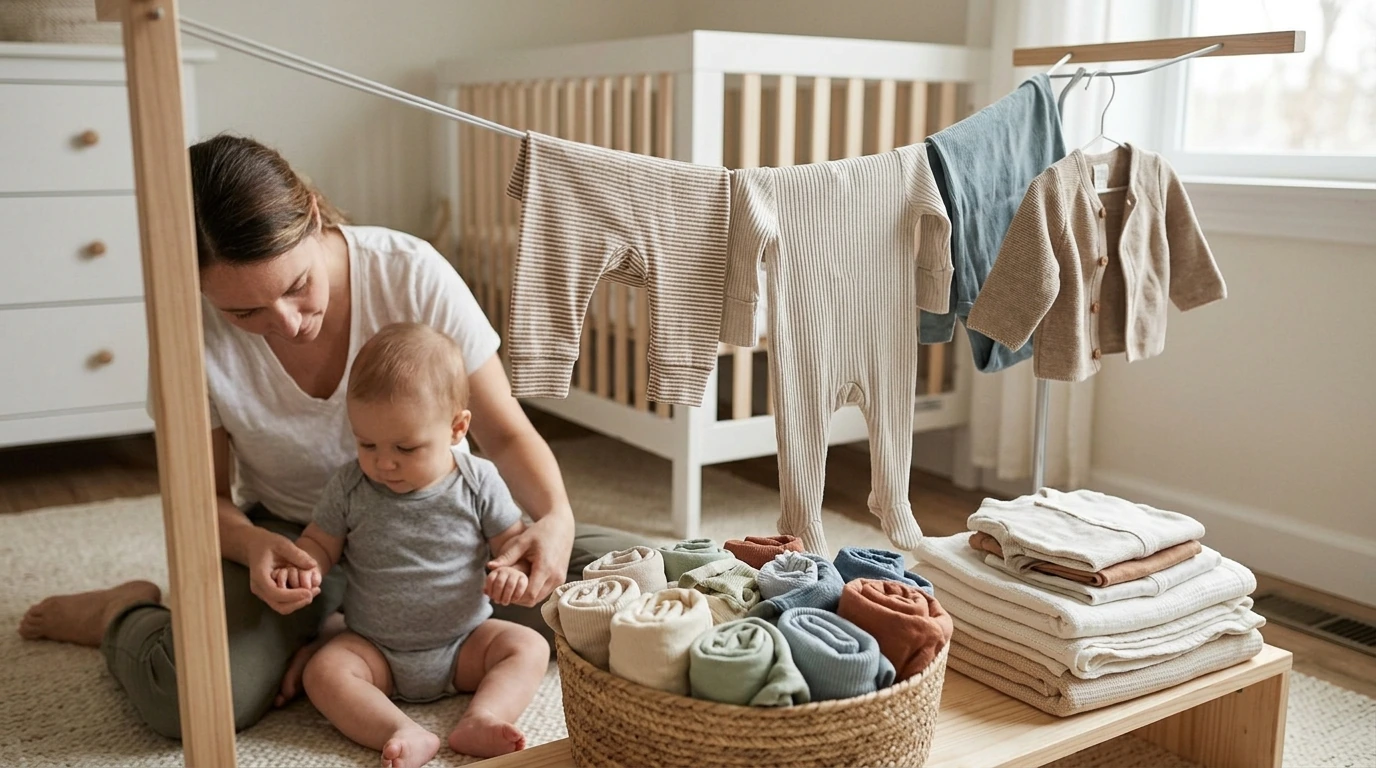
Should baby clothes be 100% cotton?
Not always. 100% cotton is a popular choice for baby clothes because it’s soft, breathable, and generally gentle on sensitive skin. But the best fabric depends on your baby’s skin, the season, and how the garment is made.
When 100% cotton is a great idea
For everyday onesies, sleepers, and simple layers, 100% cotton can be a comfortable default. It tends to let air circulate, which can help reduce overheating, and it’s widely available in a range of weaves and weights. Many parents also like cotton because it’s easy to wash and doesn’t trap odors the way some synthetics can.
When “not 100% cotton” can be better
Some cotton items shrink, wrinkle, or stretch out over time. A small amount of spandex (for example, 95% cotton/5% spandex) can improve flexibility for wiggly babies and help cuffs and necklines keep their shape. For cold weather, cotton alone may not keep warmth as well as merino wool or fleece blends, especially when damp.
What matters more than the label
Fiber content is only part of the comfort equation. Look for smooth seams, soft tags (or tagless designs), and a fabric weight that matches the room temperature. If your baby is prone to eczema or rashes, prioritize gentle finishes and consider laundering with fragrance-free detergent, regardless of fabric type.
A practical shopping checklist
Choose cotton or cotton-rich basics for daily wear, add a touch of stretch for fit, and pick warmer performance fabrics for outdoor layers. For soothing, skin-friendly comfort beyond clothing—especially during naps or bedtime—see this guide to soft cotton comfort and calming routines: https://virtuous.best/guide-soft-cotton-baby-comfort-blanket-calm-routines/.
For Should Baby Clothes Be 100% Cotton? What to Choose, the best answer depends on fit, material, care instructions, and how the product will be used day to day.
FAQ
What is the best fabric for baby clothes besides cotton?
Merino wool is great for temperature regulation in cooler weather, while bamboo/viscose blends can feel very smooth for sensitive skin. A cotton-spandex blend is also a practical option for everyday stretch and fit.







Leave a comment