Merino Wool vs Cashmere, Alpaca, Silk & Synthetics
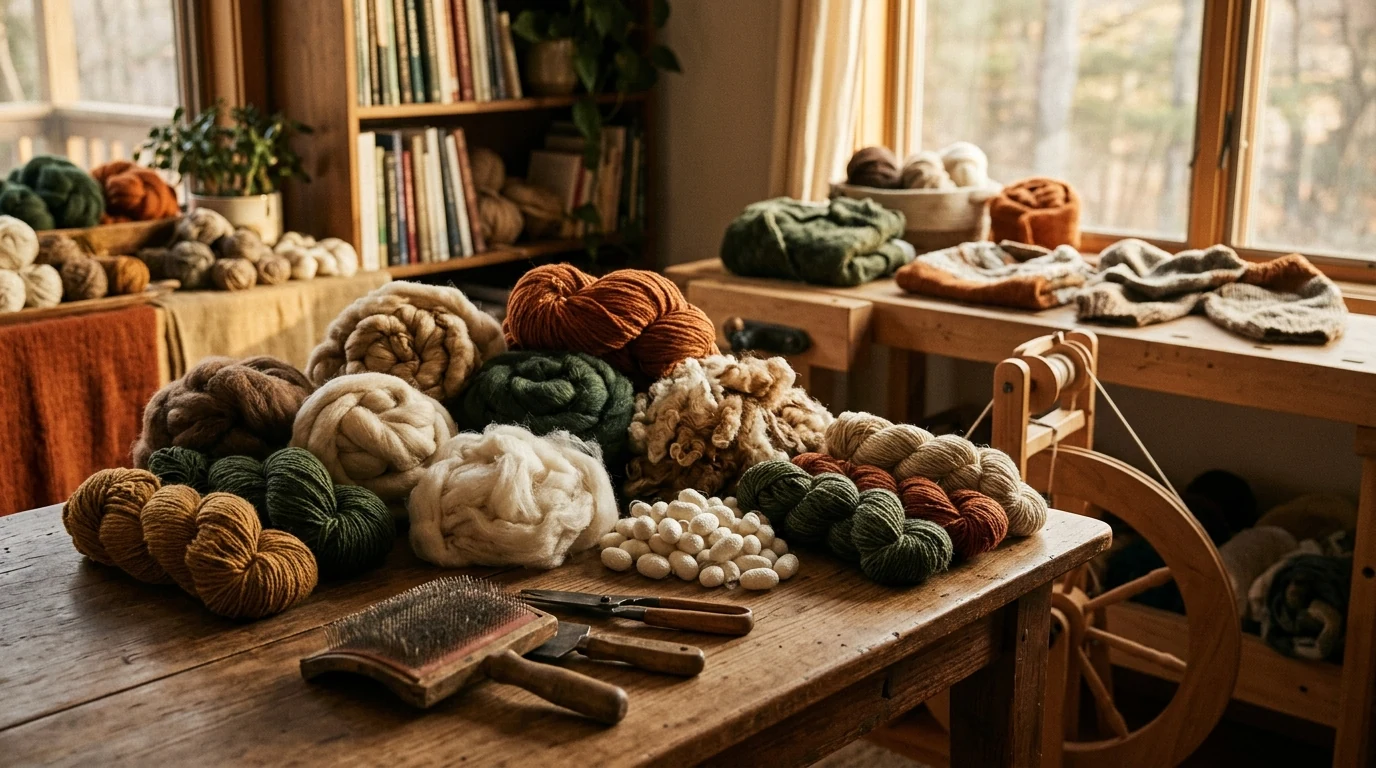
Is there anything better than merino wool?
“Better” than merino wool depends on what you want a sweater to do. Merino is hard to beat for everyday wear because it’s naturally temperature-regulating, breathable, and soft enough for most people to wear next to skin. It also resists odors and holds its shape well when cared for properly, which is why it’s a go-to for versatile staples like a V-neck sweater.
That said, a few materials can outperform merino in specific situations:
When cashmere can feel better
For pure softness and a plush, luxe hand-feel, cashmere often wins. It’s typically warmer for its weight, too. The trade-off is that cashmere can pill more easily and may require gentler handling—so it’s “better” for comfort, not always for durability.
When alpaca can be warmer
Alpaca fibers are known for warmth and a lighter feel. Many people also find alpaca less itchy than traditional wool. However, alpaca can be less springy than merino, which can affect how a sweater drapes and how well it bounces back after wear.
When silk or cotton can be easier
If breathability in heat or low-maintenance washing is the priority, silk blends or quality cotton knits can be appealing. They generally don’t offer the same odor resistance or cold-weather performance as merino, but they can shine in warm climates or office layering.
When synthetics might outperform it
For high-abrasion activities or frequent machine washing, technical synthetics can be tougher and faster-drying than merino. The downside is they tend to hold onto odor more and may not feel as natural against the skin.
If you’re choosing a merino sweater for daily outfits, fit, styling, and care can matter as much as fiber content. For practical guidance, see this merino V-neck loose-fit sweater guide.
FAQ
How do you keep merino wool from pilling?
Wash on a gentle cycle (or hand-wash), use a wool-safe detergent, and avoid heavy friction from rough bags or layering with abrasive fabrics. If pills appear, remove them carefully with a fabric comb or depiller.









Leave a comment