GaN Charger Downsides: Cost, Heat and Compatibility
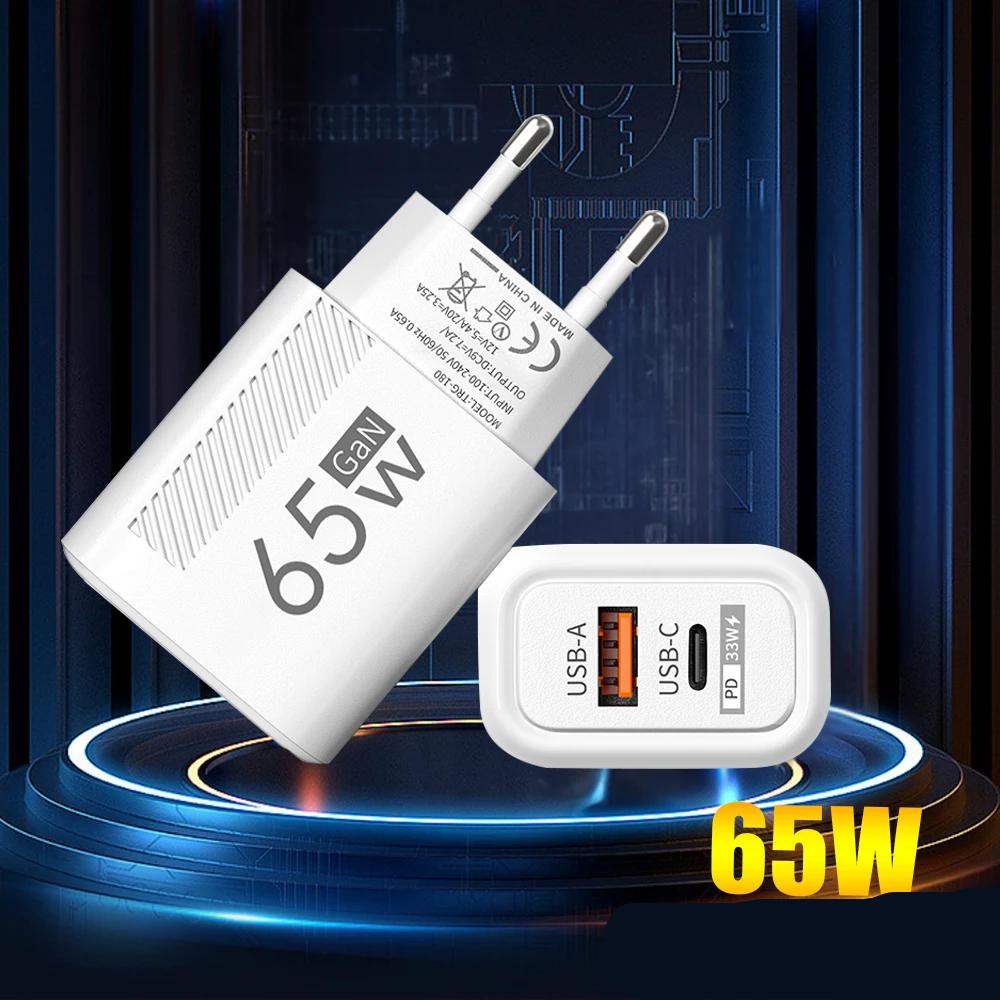
What are the downsides of using a GaN charger?
GaN chargers can deliver useful power in a compact package, but they are not automatically the best choice for every device. The main downsides are price, heat, and the need to match the charger’s ports and charging standards to what you own.
They can cost more
A GaN charger may cost more than a conventional charger with similar advertised wattage. If you only charge one phone overnight, the smaller size or extra power may not be worth paying for. We recommend choosing based on the devices you need to charge, not on GaN technology alone.
Small does not mean cool to the touch
GaN technology helps make chargers smaller and more efficient, but a compact charger can still feel warm when it runs at high output. Give it room for airflow, and avoid covering it with bedding or clothing while it is plugged in. If a charger becomes unusually hot, smells odd, or shows damage, unplug it and stop using it.
Advertised wattage may be shared
On a multi-port charger, the headline wattage is often the total available output, not the power delivered by every port at once. Plugging in a second device may reduce power to the first. That matters if your laptop needs a particular minimum wattage to charge reliably while you use it. Look at the per-port output and how power is divided when multiple ports are occupied.
Compatibility still matters
A GaN charger cannot make a device charge faster than that device allows. Fast charging also depends on a compatible charging standard and a cable rated for the power you need. For a laptop, confirm that the charger supports its required USB-C Power Delivery output; for a phone, confirm that the charger supports the fast-charging method your phone uses. Our team’s guide to 65W GaN USB-C chargers, PD, and Quick Charge can help you sort through those specifications.
How should you decide?
Choose a GaN charger when its size, port selection, and supported outputs solve a real need—such as carrying one charger for several devices. If a charger you already own safely meets your devices’ requirements, replacing it solely because it is not GaN may offer little benefit. Whichever type you buy, favor a reputable charger with appropriate safety certifications and use cables in good condition.
FAQ
Can a GaN charger charge a laptop and phone at the same time?
Yes, if it has enough ports and its shared output meets both devices’ needs. Check the wattage available to the laptop port when the phone is also connected.











Leave a comment