Can Ceramic Cookware Sear Steak? What to Know
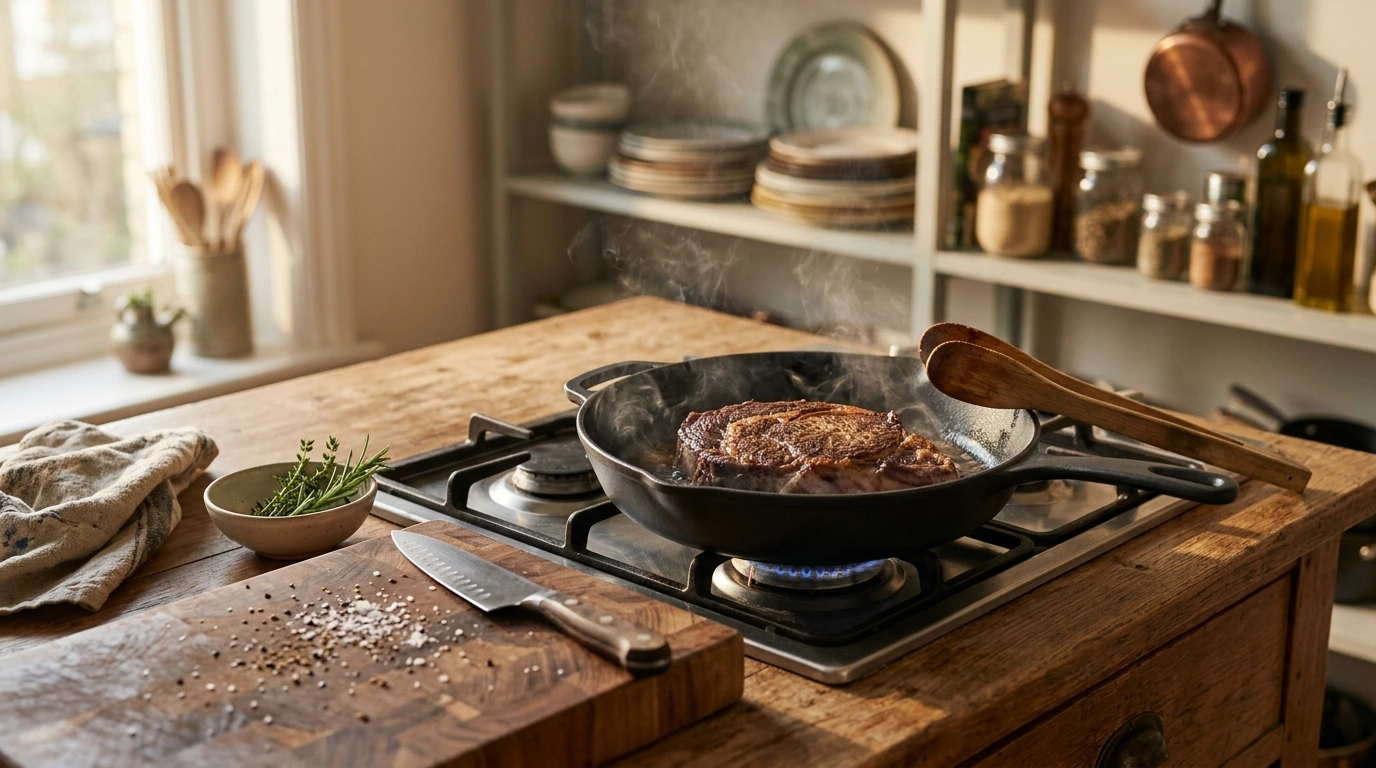
Is ceramic cookware good for steak?
Ceramic cookware can cook steak well, especially when you want an easy-release surface and a straightforward cleanup. But “ceramic” can mean cookware with a ceramic nonstick coating or a solid ceramic cooking vessel, and their heat performance varies. For a deep, crisp sear, a heavy stainless-steel, cast-iron, or carbon-steel pan is usually a better choice because it can handle sustained high heat.
What kind of steak works best in a ceramic pan?
A ceramic-coated pan is practical for thinner cuts or steaks cooked over moderate heat. It can also suit leaner cuts that may stick more readily. If you prefer a dark crust on a thick steak, ceramic nonstick may not be the best tool: pushing the heat too high can stress the coating, while gentler cooking may not produce the sear you want.
How should you cook steak in ceramic cookware?
Start with a dry steak and let the pan warm gradually over medium or medium-high heat, following the cookware maker’s heat limits. Add a small amount of cooking oil suited to the temperature, then place the steak in the pan without crowding it. Turn it when the first side has browned, and use a thermometer to judge doneness rather than relying only on timing. Avoid heating an empty coated pan on high; ceramic cookware can heat quickly.
How do you protect the pan?
Use utensils that won’t scratch the cooking surface, and let the pan cool before washing it. Sudden temperature changes can damage cookware, so don’t run a hot pan under cold water. Follow the manufacturer’s care instructions, since cleaning and heat guidance can differ by construction and coating.
What should you choose for frequent steak searing?
If steak is a regular high-heat meal in your kitchen, choose a pan designed for that use, such as cast iron or stainless steel. Keep ceramic cookware for moderate-heat cooking and foods where easy release is especially useful. Once dinner is ready, our guide to modern white ceramic plates for steak and dessert can help you choose a serving piece for the meal.
FAQ
Can you serve steak on a ceramic plate?
Yes. A ceramic plate is suitable for serving steak, but avoid placing a very hot plate on a cold or wet surface, since sudden temperature changes can cause damage.











Leave a comment