Smart Layering for Any Weather: Dress for Changing Days

A cool morning can turn into a warm afternoon, and a clear forecast can give way to wind or rain. Dressing in adjustable layers helps you respond without planning an entirely different outfit for every part of the day. At Virtuous.best, our team offers Smart Layering for Any Weather as an option to explore while you plan for changing conditions.
Start With the Day Ahead
Before getting dressed, look beyond the temperature at the moment you leave home. Check the forecast for your full outing, including the expected high and low, wind, and any chance of rain. A chilly walk to work may call for a layer you will not need on your way home.
Think about how long you will be outside and what you will be doing. A brisk walk can leave you warmer than standing at a bus stop, even in the same weather. If your plans include both, choose pieces you can adjust as your activity level changes.
Keep your schedule in mind, too. You might be comfortable outdoors at midday but want extra coverage for an evening errand. If rain is expected later, carrying an appropriate outer layer from the start can save you from being caught unprepared.
Build Layers That Work Together
Layering starts with a comfortable base layer that feels good against your skin. Add an insulating middle layer when you need more warmth, then choose an outer layer suited to the conditions. On a breezy day, that might mean protection from wind; when rain is likely, it means choosing an outer layer appropriate for wet weather.
Each piece should work with the others without making movement awkward. You should be able to reach, walk, and sit comfortably, and remove a middle layer without having to rearrange your entire outfit. Openings such as zippers or buttons can also make it easier to adjust how much warmth you retain.
More layers are not always better. In warm weather, light, comfortable clothing may be all you need. Consider sun exposure and your planned activity, and avoid adding pieces that make you uncomfortably hot.
| Conditions | Layering approach | Adjustment |
|---|---|---|
| Cool morning | Start with a base and a light insulating layer | Remove the middle layer as temperatures rise |
| Wind or rain | Add an outer layer suited to the forecast | Keep the outer layer accessible when conditions change |
| Warm afternoon | Wear light, comfortable clothing | Avoid unnecessary layers and seek shade when needed |
Consider the whole outfit
Layers are easier to manage when each piece has a clear purpose. A light middle layer can bridge the gap between a cool commute and a warmer indoor space, while an outer layer can stay nearby until the weather calls for it. Leave enough room in your bag to carry what you take off.
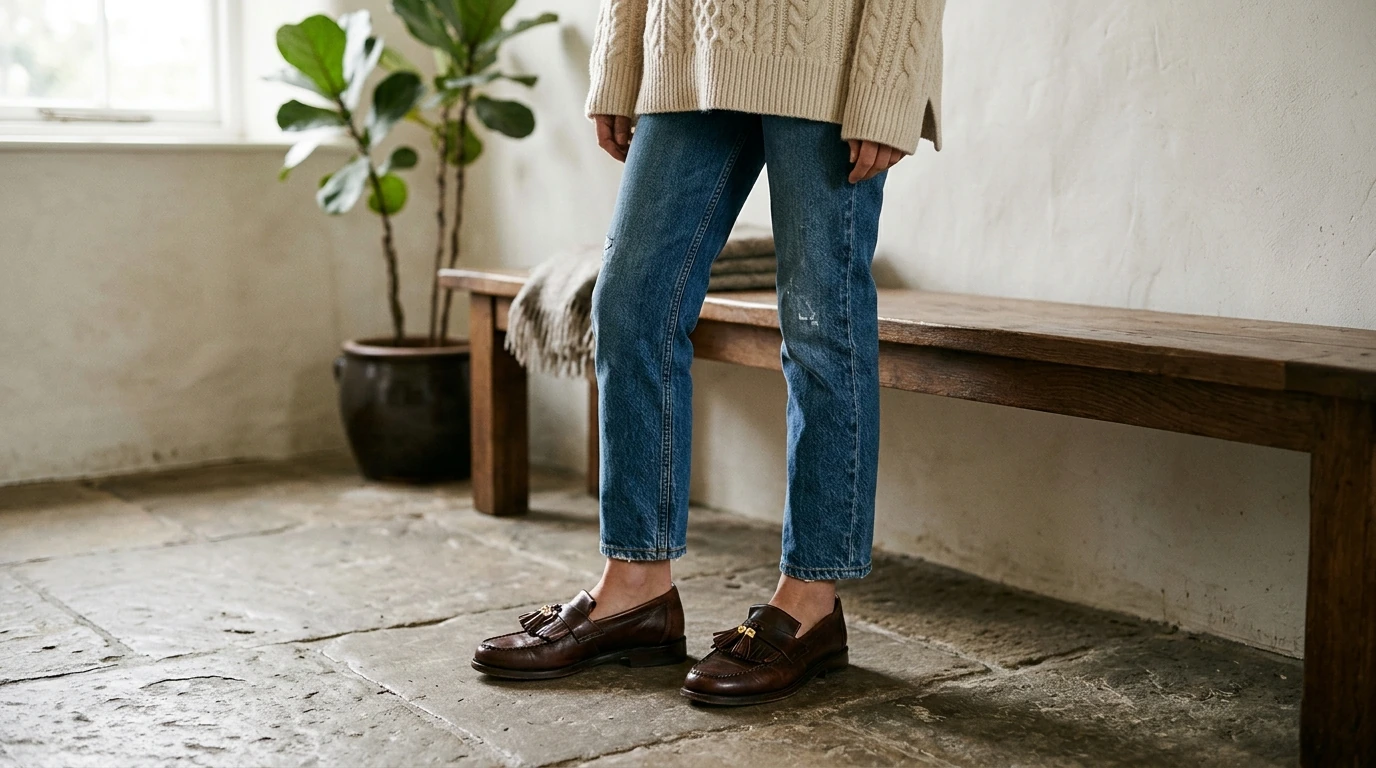
Footwear matters to your plans as well. For an everyday outfit, you can explore our Adidas Women’s White Faux Leather Sneakers. Choose footwear for the conditions and activities you expect, especially if your route may be wet or slippery.
Make Adjustments Throughout the Day
Pay attention to how you feel rather than waiting until you are uncomfortable. If you are warming up during a walk, remove a layer before you become overheated. When you stop moving or the temperature drops, add it back before you get chilled.
A spare layer can be useful in a strongly air-conditioned building or after sunset. Keep it somewhere accessible, such as an outside pocket of your bag, so you can put it on without unpacking everything. If your outer layer gets wet, change out of wet clothing when you can and find a dry place to warm up.
Everyday layering is not a substitute for preparation in severe weather. Use protective clothing appropriate to the conditions, follow local alerts, and change your plans when guidance calls for it. The National Weather Service offers practical advice on cold weather safety and heat safety, including steps to reduce exposure when conditions are dangerous.
Explore Smart Layering for Any Weather
Our Smart Layering for Any Weather listing is available for $10.99 and is currently in stock. Price and availability may change, so visit the product page for current details before ordering.
As you consider your options, start with the situations you encounter most: a cool trip to work, a changeable day outdoors, or a warm afternoon that turns into a cooler evening. A flexible plan gives you a useful starting point, while leaving room to adjust when the forecast or your schedule changes.
FAQ
How many layers should I wear when the weather changes?
The number depends on the temperature, your activity level, and how long you will be exposed to the weather. Start with layers you can add or remove rather than relying on a fixed number.
What should I consider when layering for rain or wind?
Check the forecast for when and where rain or wind is expected, then choose an outer layer appropriate to those conditions. Keep it accessible if the weather may change while you are out.
Where can I find Smart Layering for Any Weather?
You can find it on our Virtuous.best product page, where you can review the current price, availability, and product details.










Leave a comment