Mini USB Aroma Humidifier: Mist, Oils & Soft LED Guide
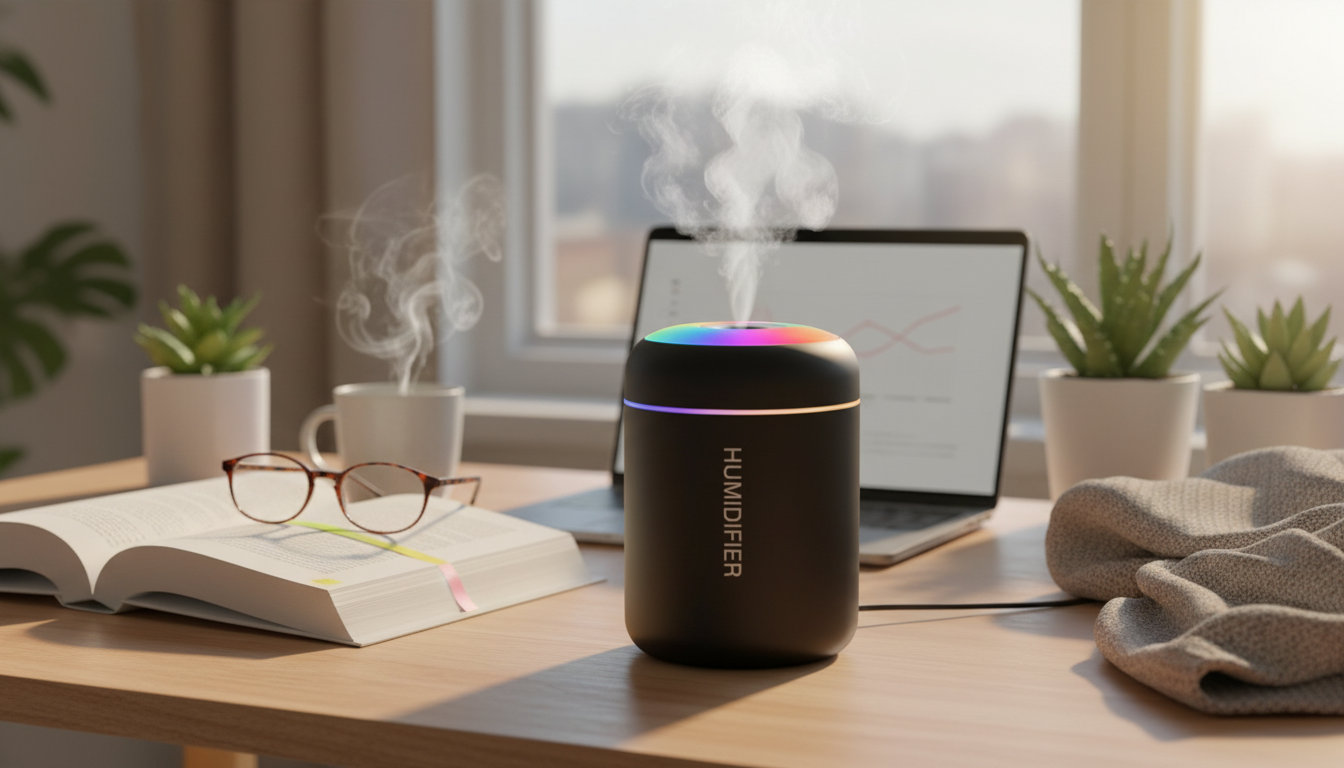
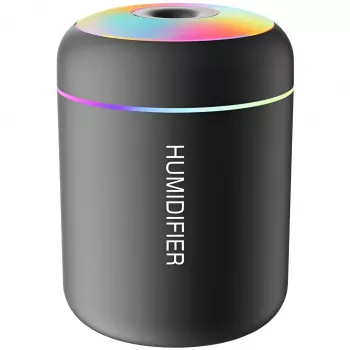
Mini USB Aroma Humidifier & Essential Oil Diffuser with Soft LED Light
A compact USB-powered mist maker can freshen a workspace, add light humidity for comfort, and gently disperse essential oils for a calmer atmosphere. This guide explains where a mini diffuser fits best, how to set it up for reliable mist, and how to use essential oils and soft LED lighting responsibly—especially when you’re using it close to electronics or in smaller spaces.
What It Is and Where It Fits Best
A mini USB aroma humidifier is a small, personal-area device that produces a fine mist. It’s sized for desks, bedside tables, dorm rooms, and travel—places where a full-size humidifier would feel bulky or unnecessary. Because the output is intentionally modest, it’s best thought of as “personal comfort” rather than a whole-room humidity solution.
- USB-powered design works well for workstations, nightstands, and hotel rooms.
- Fine mist lightly humidifies the air immediately around you and can carry scent when essential oils are used as directed.
- Soft LED light adds a low-glare accent for evening routines or a gentle nightlight effect.
- Most effective in personal zones (near your chair, bed, or reading spot), not for changing humidity across a large room.
Key Benefits for Daily Routines
Small diffusers shine when you want quick comfort without rearranging your space. They’re easy to move, simple to power, and unobtrusive on a crowded desk.
- Comfort: Adds a touch of moisture that can reduce the feeling of dry indoor air in a small area.
- Mood and focus: A light scent can support wind-down time, meditation, or a clean-feeling workspace.
- Convenience: USB power works with laptops, power banks, and many wall adapters.
- Ambience: Soft LED light complements nighttime use without harsh overhead lighting.
- Low commitment: Compact size makes it easy to store, move, or pack between rooms.
Setup and First Use
A steady, consistent mist usually comes down to the basics: stable placement, correct fill level, and dependable power. If you’re setting this up on a desk, plan the placement so the mist won’t drift toward your keyboard or monitor over time.
- Place on a stable, level surface away from paper stacks, keyboards, and electronics that should stay dry.
- Fill the water reservoir to the indicated level; avoid overfilling to reduce leaks and sputtering.
- Connect to a suitable USB power source; use a quality cable and adapter to minimize intermittent power issues.
- Add essential oil only if the unit supports it; start small and avoid thick blends that can leave residue.
- Run a brief test cycle to confirm steady mist output and check for drips or vibration.
| Step | What to do | Common mistake to avoid |
|---|---|---|
| Position | Set on a flat, water-safe surface | Placing on books, fabric, or near the laptop vent |
| Fill | Add clean water to the fill line | Overfilling or using hot water |
| Power | Plug into USB wall adapter, laptop, or power bank | Using a loose port or damaged cable |
| Aroma | Add a small amount of oil if compatible | Adding too much oil or using sticky fragrance oils |
| Test | Turn on mist and light; observe for 1–2 minutes | Ignoring early signs of sputter or leakage |
Using Essential Oils Responsibly
Essential oils are highly concentrated. In a mini diffuser, a little goes a long way—both for scent strength and for keeping the device clean. For safety guidance and general precautions, the NIH NCCIH overview of essential oils is a helpful reference.
- Choose high-quality essential oils; avoid unknown additives that can clog or irritate.
- Start light: a small amount is often enough in a mini reservoir.
- Avoid diffusing continuously for long periods in tightly closed spaces; take breaks if scent becomes overpowering.
- Use extra care around children, pets, and anyone with asthma or sensitivities; discontinue if irritation occurs.
- Do not ingest oils; store bottles sealed and away from heat and direct sunlight.
Soft LED Light: Practical Ways to Use It
The LED feature is more than decoration—it can support routines where bright light feels disruptive. Treat it like a small ambient lamp that stays where you need it.
- Night routine: Pair gentle mist with dim lighting during reading or pre-sleep wind-down.
- Work sessions: Use soft light as an accent to reduce harsh contrast from screens in darker rooms.
- Meditation or stretching: Keep lighting low and steady to set a calmer environment.
- Travel: Create a familiar ambience in hotel rooms without turning on bright lamps.
Cleaning and Maintenance for Steady Mist
For guidance on balancing moisture indoors (and avoiding too much), see the EPA’s information on indoor air quality and moisture. If excess humidity leads to damp conditions, the CDC’s resource on mold and dampness is a practical reference.
Safety Notes and Best Practices
Who It’s Best For (and Who Should Skip It)
Shop In-Stock Picks
- Mini USB Aroma Humidifier & Essential Oil Diffuser with Soft LED Light
- Stainless Steel Serving Set
- Abdominal Wheel for Strengthening Muscles
FAQ
Can a mini USB diffuser humidify an entire room?
Most mini USB units are designed for localized mist in a personal area rather than whole-room humidification. For an entire room, a larger-capacity humidifier and basic humidity monitoring are usually needed.
How many drops of essential oil should be used in a small diffuser?
Start with a small amount—often 1–3 drops depending on the reservoir size and how strong the oil is. Using too much can create residue, overwhelm the scent, and make cleaning more frequent.
How often should it be cleaned to prevent odors and buildup?
Light cleaning every few uses (rinse and wipe) helps prevent film and odor, and a deeper clean weekly is a good baseline if it’s used daily. Emptying leftover water after sessions also makes a big difference.






Leave a comment