Lion Teether for Babies: Easy-Grip Relief for Sore Gums
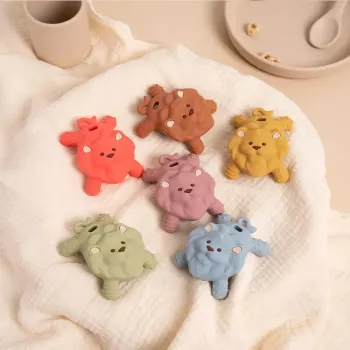
Safe Soothing for Sore Gums: A Lion-Shaped Teether Babies Can Grab and Chew
Teething can bring sore gums, extra drool, and fussy days. A well-designed teether gives babies something safe to chew, helps massage tender gums, and can offer a calming routine. This lion-shaped teether is a playful, easy-to-grip option made for daily use at home or on the go.
What Makes a Teether Helpful
Babies explore the world mouth-first, and teething makes that urge even stronger. A teether can be a simple tool that channels chewing into something more comfortable and more hygienic than whatever little hands can reach.
- Provides a safe surface to chew instead of fingers or hard household items.
- Gentle chewing pressure can comfort sore gums during teething periods.
- Textured areas may help massage gums and keep babies engaged.
- A consistent teether can become part of a soothing routine (after feeds, before naps, in the stroller).
For practical, pediatric-friendly teething tips and what to expect, see Mayo Clinic’s guidance on soothing sore gums.
Lion-Shaped Teether at a Glance
A playful design can matter more than it seems—when babies are fussy, they’re more likely to accept a teether that’s visually interesting and easy to locate quickly. The lion shape also makes it easy for caregivers to spot in a diaper bag or on a blanket.
- Cute lion shape encourages interest and makes the teether easy to spot in a diaper bag.
- Hand-friendly size and contours support grasping practice for little hands.
- Designed for repeated chewing during common teething windows.
- In stock and budget-friendly for keeping a spare at home or with caregivers.
| Item | Details |
|---|---|
| Product | Lion-Shaped Teether for Babies |
| Price | $5.47 USD |
| Availability | In stock |
| Product page | https://virtuous.best/lion-shaped-teether-for-babies/ |
Comfort Features to Look For
Not all teethers feel the same to a baby. Comfort often comes down to a few small design choices that reduce frustration and encourage a baby to keep using the teether when they need it most.
- Easy grip: loops, handles, or sculpted edges that help babies hold it without frustration.
- Gentle texture: raised patterns or varied surfaces that massage gums without feeling sharp.
- Lightweight feel: reduces arm fatigue and makes it easier to bring to the mouth.
- One-piece or simple design: fewer crevices makes cleaning easier and reduces gunk buildup.
Safety Checklist Before Giving Any Teether
Comfort only matters if a teether is used safely. A quick check before each use helps catch wear and tear early, especially during heavy chewing phases.
- Confirm age guidance from the seller/manufacturer and supervise chewing, especially with younger babies.
- Avoid teethers with small detachable parts, loose decorations, or anything that can break off.
- Check for wear: discard if cracking, tearing, sticky texture changes, or pieces start to pull away.
- Choose materials intended for baby mouthing; avoid items not designed for infants.
For crib and sleep-area safety fundamentals, the American Academy of Pediatrics policy statement is a reliable reference: Safe Sleep Recommendations.
Cleaning and Daily Care
Teethers get dropped—a lot. Keeping a simple cleaning habit makes it easier to feel confident about handing it back mid-outing, and it can reduce odor and residue buildup over time.
- Wash before first use and after drops on public surfaces.
- Use mild soap and warm water unless the product instructions specify another method.
- Dry thoroughly to help prevent odor and residue buildup in textured areas.
- Rotate between two teethers so one can fully dry while the other is in use.
- Store in a clean pouch or container when traveling.
General hygiene principles (cleaning, drying, and preventing cross-contamination) align with public health guidance like the CDC’s basics: Clean, Separate, Cook, Chill.
When to Use a Teether (and When to Call the Pediatrician)
Teethers can help with everyday teething discomfort, but they’re not meant to mask symptoms that may signal something else. Paying attention to the full picture keeps teething support simple and safe.
- Common teething signs include drooling, chewing, mild gum swelling, and irritability.
- Offer the teether during fussy windows, after naps, or when hands keep going to the mouth.
- Call a pediatrician for fever, diarrhea, rash, persistent crying, or symptoms that seem beyond typical teething discomfort.
- Avoid numbing gels unless specifically advised by a clinician; follow medical guidance for pain relief.
A Simple Teething Routine That Helps
When days feel unpredictable, a repeatable routine can make teething a little easier for everyone. The goal is short, soothing breaks that fit naturally into the day.
Helpful Add-Ons for Busy Caregivers (In Stock)
- Lion-Shaped Teether for Babies — a simple, budget-friendly pick to keep one at home and one in the diaper bag.
- Stainless Steel Serving Set — handy for quick family meals and easy serving while juggling mealtimes.
- Adidas Women’s White Faux Leather Sneakers — a practical option for errands and stroller walks.
FAQ
Can a baby sleep with a teether?
It’s best to follow safe-sleep guidance and keep cribs free of non-essential items, including teethers. Offer the teether during soothing time, then remove it when your baby is placed down to sleep.
How often should a teether be cleaned?
Clean it before first use and at least daily, plus any time it drops on floors or public surfaces. Wash with mild soap and warm water (unless the maker specifies otherwise), then dry thoroughly.
What are signs a teether should be replaced?
Replace it immediately if you notice cracks, tears, a sticky or tacky feel, discoloration, persistent odor, or any piece loosening. When in doubt, swap it out—especially during heavy chewing phases.










Leave a comment