Balanced Diet Guide + Meal Planning Checklist (Download)
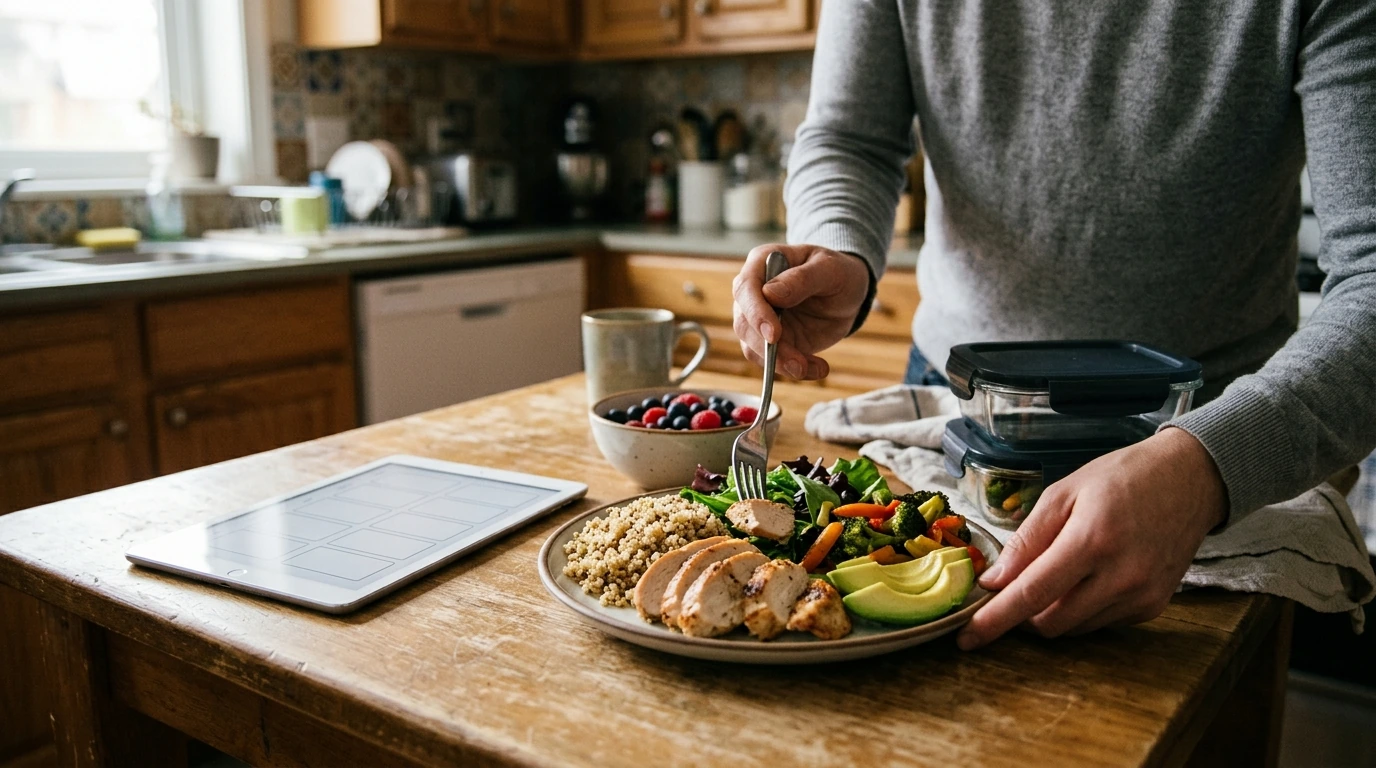
Eat Better, Feel Stronger, Live Smarter: a balanced diet guide that makes healthy eating feel doable
Healthy eating works best when it’s practical. Our team built this digital guide for real schedules, real budgets, and real appetites—so balanced meals become a repeatable routine, not a constant decision. Eat Better, Feel Stronger, Live Smarter – Balanced Diet Guide (Digital Download) pairs nutrition basics with a ready-to-use meal planning checklist you can download and start using right away.
What “balanced” actually means (and why it’s easier than it sounds)
A balanced meal isn’t a perfect macro equation—it’s coverage. When you consistently include protein for staying power, fiber-rich carbs for steady energy, healthy fats for satisfaction, and colorful produce for vitamins and minerals, your meals naturally become more filling and reliable.
One of the simplest ways to make balance feel easy is to repeat a few breakfasts and lunches you genuinely like, then rotate dinners. That approach cuts decision fatigue without making you feel boxed in.
Portions don’t need to be fussy, either. A visual “plate check” works: include produce, a protein, and a quality carb source, then add fats intentionally (instead of accidentally through excess cooking oil, mindless snacking, or extra add-ons).
| Component | Why it matters | Easy options |
|---|---|---|
| Protein | Supports muscle repair, steadier appetite | Eggs, Greek yogurt, beans/lentils, chicken, tofu |
| Fiber-rich carbs | Sustained energy, digestion support | Oats, brown rice, quinoa, potatoes, whole-grain bread |
| Healthy fats | Helps satisfaction, nutrient absorption | Olive oil, avocado, nuts/seeds, fatty fish |
| Vegetables & fruit | Micronutrients, volume, variety | Leafy greens, frozen veg, berries, apples, peppers |
| Fluids | Energy, performance, focus | Water, herbal tea, sparkling water |
Inside the eBook: nutrition basics without the overwhelm
This guide is designed to be the opposite of overwhelming. You get a plain-language breakdown of the essentials—macronutrients, micronutrients, and how they show up in everyday meals—so you can make better choices without needing a nutrition degree.
We also focus on a practical way to notice hunger/fullness cues and build meals that prevent the “snack spiral.” When meals are missing protein, fiber, or volume from produce, it’s easy to feel unsatisfied and keep grazing. The guide helps you spot that pattern and fix it with simple adjustments.
You’ll also find “smart swaps” that improve nutrition without turning dinner into a makeover project. The goal is quick reference: use it as a reset when routines slip or motivation dips—then get back to a baseline that feels sustainable.
Meal planning that fits real life: the checklist method
Meal planning gets a bad reputation because people picture rigid schedules and complicated recipes. Our checklist method is simpler: choose a few core meals, build a grocery list from them, and keep backup options for busy days. You’re not trying to plan a perfect week—you’re trying to make the next week easier.
A key concept is “minimum viable meals”: simple combinations that still hit protein + produce + fiber. Think: Greek yogurt + berries + oats; a rotisserie chicken salad with beans; tofu stir-fry with frozen vegetables and rice. When you have a few of these on standby, you can stay consistent even when life gets messy.
| Step | What to decide | Done? |
|---|---|---|
| 1. Anchor meals | Pick 2 breakfasts, 2 lunches, 3 dinners to repeat/rotate | ☐ |
| 2. Protein plan | Choose 2–4 protein options for the week | ☐ |
| 3. Produce plan | Pick 3 veggies + 2 fruits (fresh or frozen) | ☐ |
| 4. Carb & fiber | Pick 2 quality carb sources (oats/rice/potatoes/whole grains) | ☐ |
| 5. Snacks & backups | Add 2–3 quick options (yogurt, nuts, fruit, soup) | ☐ |
| 6. Prep window | Schedule 30–60 minutes to wash/chop/cook staples | ☐ |
Eat better for strength: fueling muscle, recovery, and steady energy
Carbs also have a role, especially around active days. Fiber-rich carbs help keep energy steadier, while higher-carb meals can support performance and recovery when you’re training. If you want a simple at-home strength habit to pair with better eating, our team also keeps tools like the Abdominal Wheel for Strengthening Muscles in stock so you can build consistency with short, repeatable sessions.
Live smarter with food: routines that make healthy choices automatic
And when you’re serving meals—especially if you’re cooking for more than just yourself—having simple, durable tools helps the routine stick. Our Stainless Steel Serving Set is an easy add-on for everyday family-style meals and prepped components.
Who this digital download is for (and how to use it this week)
If you want more detail on balanced meal patterns from major public health organizations, you can also reference the Dietary Guidelines for Americans, the Harvard Healthy Eating Plate, and the World Health Organization healthy diet overview.
FAQ
Is this guide suitable for beginners who don’t know where to start?
Yes. We cover nutrition basics in simple language, explain what a balanced meal looks like in everyday terms, and include a checklist that turns the ideas into a weekly plan you can actually follow.
Do I need special ingredients or a strict meal plan to use the checklist?
No. You can build meals from common proteins, produce, and carbs you already like, repeat favorites, and rely on frozen or canned options. The checklist also includes backup choices for busy days so your routine holds up when plans change.
How fast can meal planning start feeling easier?
Many people feel relief after their first weekly plan because the “what’s for dinner?” question is handled ahead of time. It typically gets smoother after 2–3 weekly cycles as you build a small rotation of go-to meals and staple ingredients.











Leave a comment