2-in-1 Humidifier Aroma Diffuser for Calm, Fresh Rooms
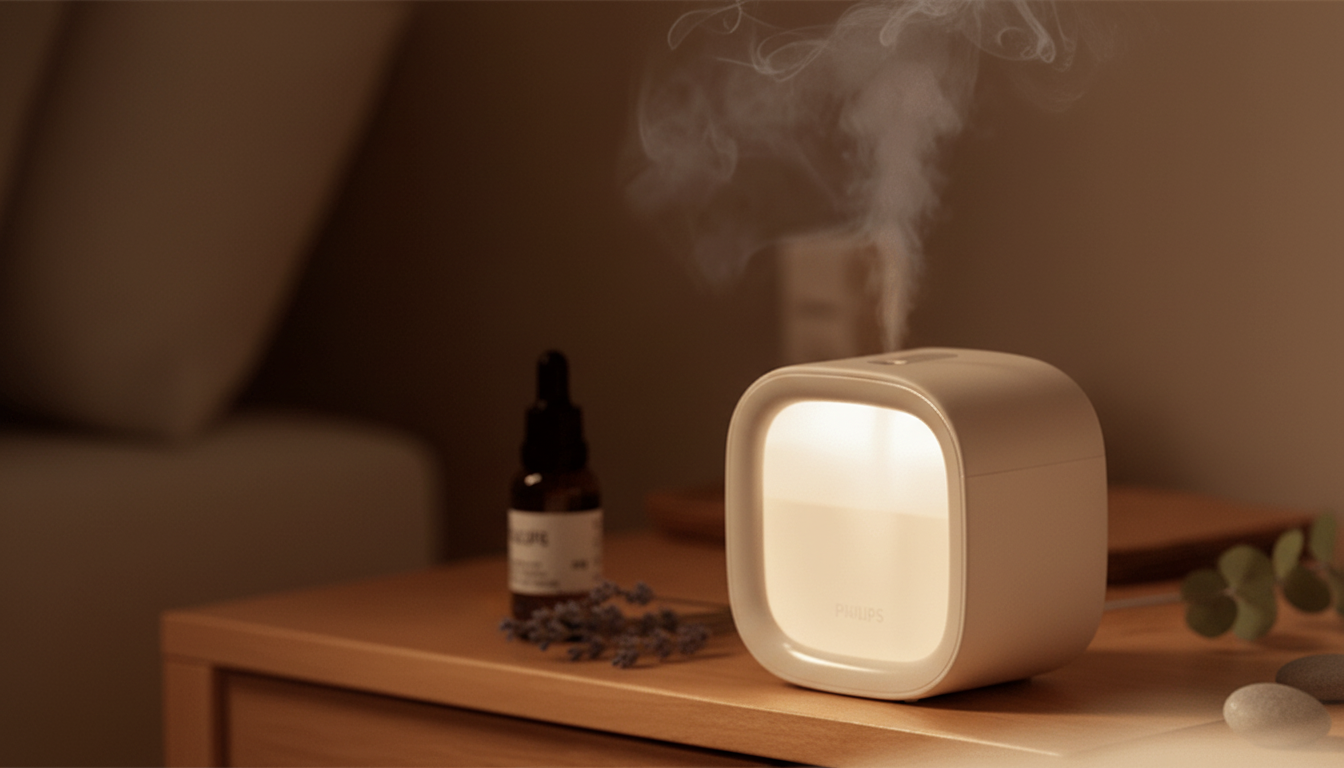
Air Humidifier & Aroma Diffuser: Comfort, Scent, and Better-Sleep Ambience
Dry indoor air and stale room odors can make spaces feel less comfortable—especially during heating or cooling seasons. A combined air humidifier and aroma diffuser adds gentle moisture to the air while dispersing a light fragrance, helping create a calmer, more pleasant atmosphere for bedrooms, workspaces, nurseries, and living rooms. When used thoughtfully (and cleaned regularly), it’s a simple way to make a room feel more “settled” without adding extra gadgets to your countertop.
For indoor air basics and humidity-related guidance, see the U.S. Environmental Protection Agency (EPA) indoor air quality resources and the Mayo Clinic overview on humidifier use.
What a 2-in-1 humidifier and diffuser does
- Adds moisture to indoor air to reduce the “too dry” feeling that can come with HVAC use.
- Disperses aroma (typically via water + a few drops of essential oil, depending on device compatibility) for a fresher-smelling room.
- Supports a relaxing environment for wind-down routines, meditation, or focused work sessions.
- Offers a single countertop device instead of separate humidifying and scenting products.
The best experience usually comes from keeping both outputs subtle: humidity that makes breathing and skin feel more comfortable, and a scent level that reads as “clean and calm,” not “perfume cloud.”
When it’s most useful around the home
- Bedroom at night: helps maintain a comfortable feel and a soothing scent profile (lavender-like notes are a common choice).
- Home office: a mild fragrance and comfortable air can make long sessions feel less stuffy.
- Living room: improves perceived air comfort for guests and everyday lounging.
- Nursery/kids’ room: use fragrance cautiously and prioritize gentle humidity; keep the unit out of reach.
- Seasonal dryness: winter heating and summer AC can both reduce indoor humidity.
A small unit can make a noticeable difference in “feel” in a bedroom or office, while larger or open-concept areas may need longer run times or more strategic placement to get even coverage.
How to use it for a calm, consistent routine
- Place on a stable, water-resistant surface away from electronics, paper stacks, and direct sunlight.
- Fill with clean water to the indicated level; avoid overfilling to prevent leaks or weak mist output.
- If using essential oils, start with a small amount (often 2–5 drops) and adjust gradually based on room size and sensitivity.
- Run in shorter intervals at first to understand how quickly the room feels more comfortable.
- Ventilate the room periodically; a lightly scented space should still feel fresh, not heavy.
Quick setup checklist
| Step | Why it matters |
|---|---|
| Level surface + clearance | Helps prevent tipping and allows mist to disperse evenly |
| Use clean water | Reduces residue and helps keep the device cleaner |
| Start with minimal oil | Prevents overwhelming fragrance and potential irritation |
| Monitor the room feel | Avoids over-humidifying and condensation |
| Empty and dry between long breaks | Helps limit odors and buildup |
Humidity levels and comfort: avoiding common mistakes
- Aim for a balanced indoor humidity; too little can feel dry, too much can lead to condensation on windows and surfaces.
- Watch for signs of over-humidifying: damp window sills, musty odor, or clammy air.
- Use a hygrometer if possible to track humidity and fine-tune run time.
- Keep mist pointed away from walls, curtains, and wood furniture to reduce moisture settling.
- If anyone in the home has asthma or fragrance sensitivity, use unscented humidifying or consult a clinician before using scented oils.
A practical approach is to adjust based on the season and the room: short sessions for smaller bedrooms, longer or more frequent sessions when forced-air heat is running, and reduced use if you notice any surface dampness.
Essential oils: safe, subtle scenting practices
- Use only oils the device supports; some units require water-soluble fragrance, pads, or specific reservoirs.
- Choose high-quality oils and store them tightly closed, away from heat and sunlight.
- Avoid continuous strong diffusion in small rooms; lighter, intermittent use is often more pleasant.
- Be cautious around pets and children—some essential oils can be problematic; keep oils and the device out of reach.
- If irritation occurs (headache, throat/eye discomfort), stop use, ventilate, and switch to unscented operation.
For a balanced perspective on aromatherapy and how it’s commonly used, the NIH NCCIH aromatherapy overview is a helpful reference.
Cleaning and upkeep for reliable mist
A simple option to add to a nightly wind-down space
If you want a ready-to-use option, explore the Air Humidifier & Aroma Diffuser to bring gentle mist and a subtle fragrance into your everyday routine.
To round out a “comfort corner” at home, these in-stock picks can also pair well with a refreshed space: Stainless Steel Serving Set for easy hosting, Abdominal Wheel for Strengthening Muscles for a quick at-home reset, and Adidas Women’s White Faux Leather Sneakers for an everyday grab-and-go staple.
FAQ
How often should a humidifier and aroma diffuser be cleaned?
For frequent use, empty and rinse the tank daily, then do a deeper clean and mineral descaling about once a week (more often with hard water). Always follow the device manual for approved cleaning steps and parts care.
Can essential oils be used safely every night?
Many people tolerate light, intermittent diffusion, but it’s best to start with a few drops and avoid continuous strong scenting—especially in small rooms. Ventilate regularly and stop use if irritation occurs; use extra caution around kids, pets, and anyone with asthma or fragrance sensitivity.
What humidity level should a bedroom be kept at?
A common comfort target is around 30% to 50% relative humidity, adjusted for season and room size. If you see condensation on windows or surfaces, reduce run time and use a hygrometer to fine-tune your settings.









Leave a comment