Smart Posture Correction Belt: Fit, Use & Comfort Tips

Smart Posture Correction Belt – Ergonomic Back & Shoulder Corrector
Slouching at a desk, rounded shoulders from phone use, and long commutes can quietly add up to stiffness and fatigue. A posture corrector belt is designed to provide gentle reminders to stack the shoulders and upper back in a more neutral position, helping build better daily habits when used consistently and appropriately.
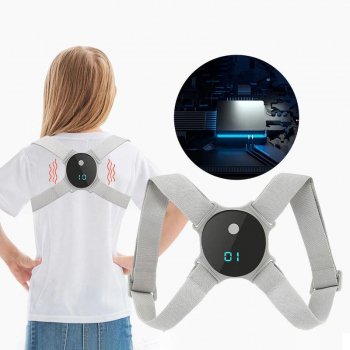
For anyone looking for an affordable, simple cue during posture-challenging moments, the Smart Posture Correction Belt – Ergonomic Back & Shoulder Corrector is meant to be worn during everyday activities—not as a rigid brace, but as a nudge back toward alignment.
What a smart posture correction belt is designed to do
A posture correction belt focuses on awareness. Instead of “holding you up” all day, it encourages the upper back and shoulders to settle into a more upright position.
- Encourages an upright upper-back position by lightly guiding the shoulders back.
- Acts as a reminder tool during tasks where posture often collapses (computer work, studying, driving).
- Supports habit-building when paired with movement breaks and basic strengthening for the upper back and core.
- Intended for posture awareness and light support rather than immobilization or treatment of injuries.
For general ergonomics guidance, the CDC’s resources on workplace setup and posture basics can help you pair better habits with any reminder device: Office Ergonomics: Your How-to Guide.
Fit, adjustability, and everyday comfort
Comfort is the difference between a belt you’ll actually use and one that stays in a drawer. The goal is a snug, wearable cue—never a tight squeeze.
- Aim for a snug, comfortable fit that provides a cue to straighten without pinching, rubbing, or restricting breathing.
- Position straps so they sit flat and do not dig into the underarm area; re-adjust after a few minutes of wear as the fabric settles.
- Wear over a thin shirt if skin sensitivity or chafing is a concern; avoid placing on irritated skin.
- Comfort improves when the belt is used for shorter sessions at first and gradually increased as tolerated.
Quick fit and wear checklist
| Checkpoint | What to look for | If it’s wrong, try this |
|---|---|---|
| Breathing | Full, easy breaths | Loosen slightly and re-center the belt on the upper back |
| Shoulder position | Shoulders feel gently guided back, not forced | Reduce tension; adjust strap angle to sit flatter |
| Underarm comfort | No rubbing or pinching | Wear over a shirt; reposition straps farther from the underarm crease |
| Range of motion | Arms move freely for typing and daily tasks | Loosen until movement is natural; reserve tighter fit for brief sessions |
How to use it effectively (without overdoing it)
The fastest way to dislike a posture corrector is to wear it for too long, too soon. Treat it like training wheels: helpful while you learn the feel of neutral alignment.
- Start with short sessions (for example, 15–30 minutes) during posture-challenging activities, then increase gradually if comfortable.
- Use it as a cue: when the belt reminds to straighten, lightly engage upper-back muscles and relax the neck rather than bracing rigidly.
- Take regular micro-breaks: stand up, roll the shoulders, and reset posture to avoid staying static.
- Pair with simple strengthening: rows, band pull-aparts, wall angels, and core work can make posture improvements last beyond wear time.
A practical approach is to wear the belt during one “high-slouch” block (like a meeting, homework session, or commuting window), then take it off and try to maintain the same stacked posture for the next block without it. This keeps the reminder from becoming a crutch.
Who it may help most (and who should be cautious)
Posture tools tend to help when the main challenge is awareness and endurance, not a structural or medical issue.
- Often helpful for desk workers, students, and anyone noticing rounded shoulders during screen time.
- May be useful as a temporary aid when re-learning neutral alignment after long periods of slouching.
- Use caution or seek clinical guidance if there is shoulder instability, recent surgery, nerve symptoms (numbness/tingling), or persistent pain.
- Stop use and reassess fit if there is sharp discomfort, skin irritation, shortness of breath, or worsening symptoms.
If you’re dealing with ongoing back pain, it’s smart to combine posture work with broader self-care guidance and, when appropriate, clinical input. The NHS overview is a helpful starting point for understanding common back pain considerations: Back pain and posture advice.
Care, maintenance, and getting consistent results
Consistent use and basic care keep a posture corrector feeling supportive rather than scratchy, stretched out, or smelly.
Practical pairings to support better posture habits
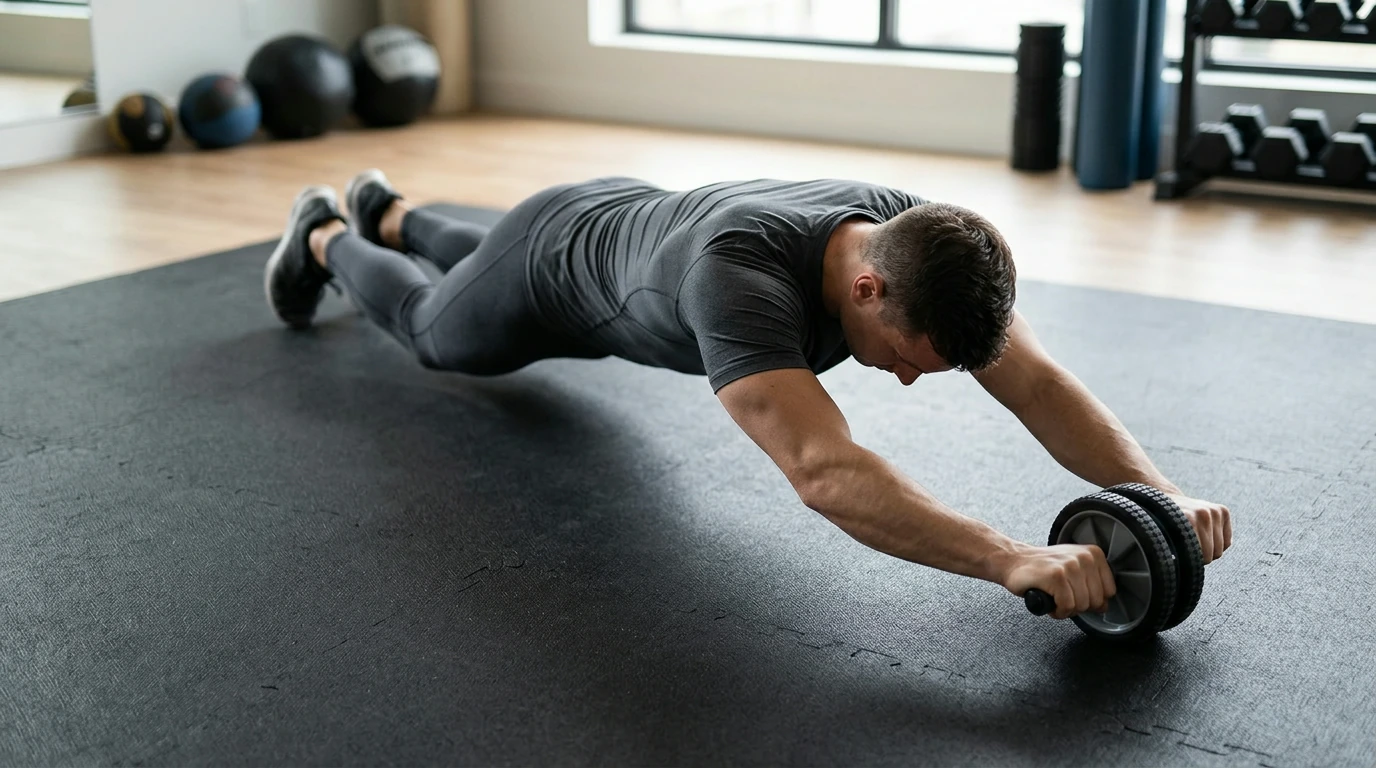
If core endurance is a weak link (common with long sitting), a simple tool like the Abdominal Wheel for Strengthening Muscles can complement posture goals when used with careful technique and a modest range of motion. For general body posture tips and alignment checkpoints, Cleveland Clinic’s guide is also a solid reference: Sitting and standing posture tips.
Recommended in-stock picks
- Smart Posture Correction Belt – Ergonomic Back & Shoulder Corrector (USD 5.82)
- Abdominal Wheel for Strengthening Muscles (USD 5.51)
FAQ
How long should a posture correction belt be worn each day?
Begin with short sessions (such as 15–30 minutes) during activities where slouching is common, then increase gradually if comfortable. Avoid wearing it so long that muscles become passive; use it as a reminder and combine with strengthening and movement breaks.
Can a posture corrector help with rounded shoulders from computer work?
It can provide a gentle cue to bring the shoulders back and reduce habitual slumping. Best results typically come when it’s paired with workstation adjustments and upper-back/core strengthening, rather than relying on the belt alone.
Is it safe to wear a posture corrector while exercising?
Light activity may be fine if breathing and shoulder movement remain unrestricted, but many workouts need full range of motion. For strength training, it’s often better to focus on technique and muscle engagement instead of wearing a restrictive support.







Leave a comment