Wireless Gaming Headsets with ANC: Better Focus & Comms
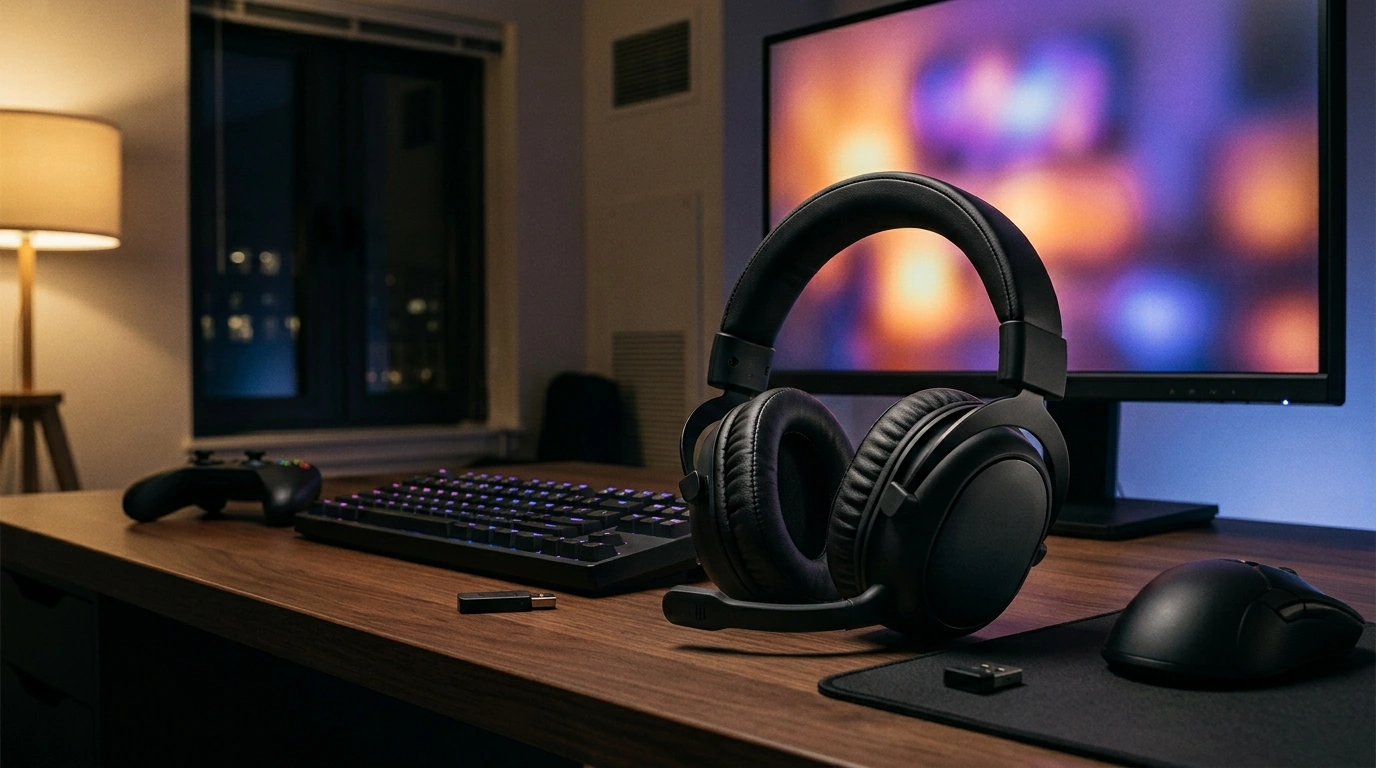
Wireless Gaming Headset with Noise Cancellation: Clearer Comms, Quieter Focus
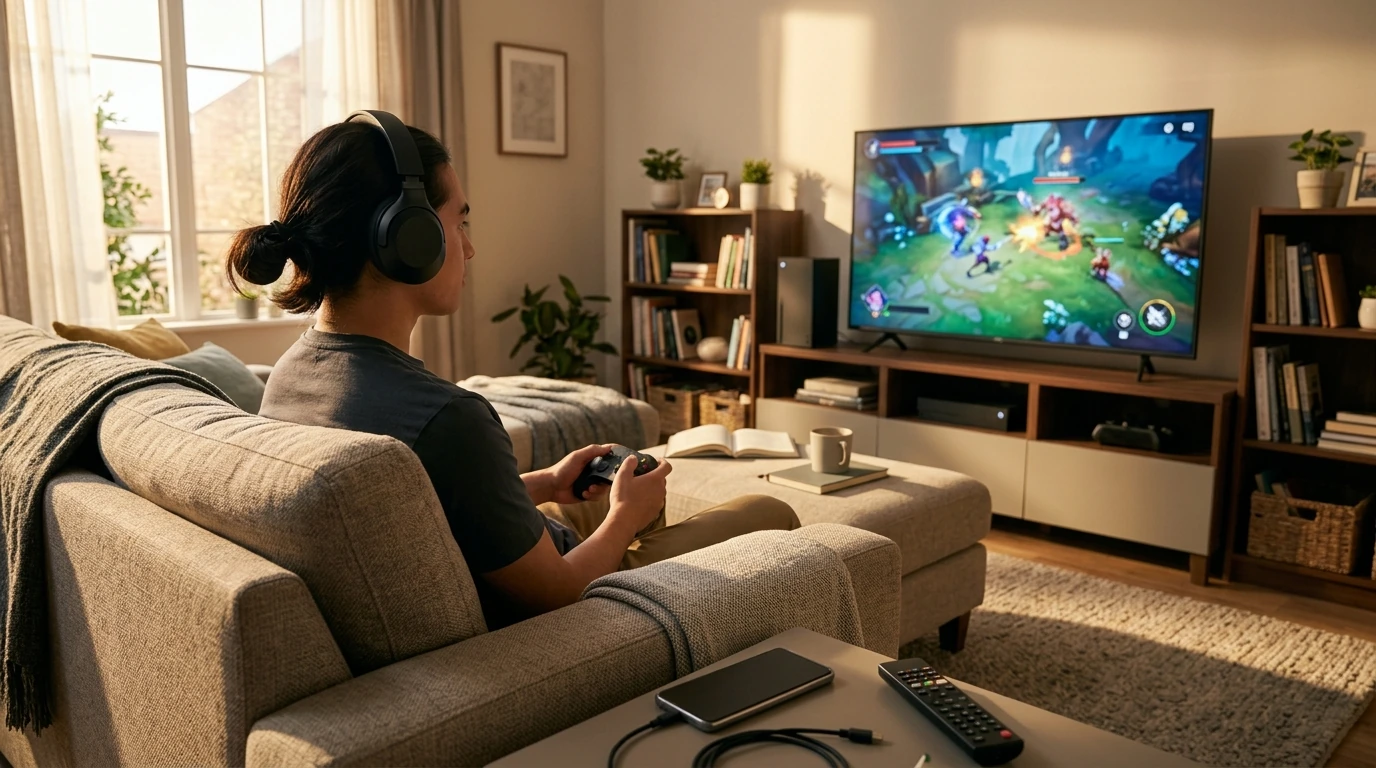
A wireless gaming headset with noise cancellation can make a bigger difference than expected—especially in homes with HVAC hum, roommates on calls, or late-night sessions where every little sound pulls attention away from the match. By lowering constant background noise, active noise cancellation (ANC) helps game audio details stand out, while the freedom of wireless keeps the setup clean across PC, console, and mobile. The key is choosing a headset that balances noise control, mic clarity, low-lag wireless, comfort, and battery habits.
What Noise Cancellation Actually Improves While Gaming
ANC is best at reducing steady, low-frequency sounds like fans, air conditioners, engine noise, or distant traffic. That matters in games because subtle cues—footsteps, reloads, and positional ambience—are easier to notice when the background is quieter.
- Cuts down steady background sounds (fans, AC, traffic) so game audio details are easier to hear.
- Helps maintain concentration in shared spaces and during late-night sessions.
- Often pairs best with a good seal from earcups; fit and pads can matter as much as electronics.
- Noise cancellation affects listening, not the microphone—mic noise reduction is a separate feature.
One practical tip: if ANC feels “too closed off,” try lowering it for casual play and re-enabling it for competitive sessions. A secure ear seal (proper clamping pressure and well-fitted pads) can also improve passive isolation, boosting the overall effect even before ANC kicks in.
Wireless Performance: Latency, Range, and Stability
Wireless is only “invisible” when it stays synced and stable. For fast games, latency is the biggest concern: audio that arrives late can make shots feel disconnected or footsteps harder to place. Range and reliability matter too—especially if the headset is used around the house.
- Lower latency keeps footsteps, shots, and on-screen actions feeling synchronized.
- Stable connection reduces dropouts during competitive play and voice chat.
- Range depends on walls and interference; Wi‑Fi routers and other devices can reduce reliability.
- If multiple connection modes exist (dongle/Bluetooth), choose the one optimized for gaming when possible.
Bluetooth can work well for mobile and casual use, but gaming-focused wireless (often via a USB dongle) is commonly more responsive. For deeper technical context on Bluetooth versions and capabilities, the Bluetooth Core Specification is the official reference point.
Microphone Clarity for Party Chat and Streaming
Clear voice chat is often the difference between “good comms” and repeated callouts. A strong gaming mic keeps speech intelligible, controls harsh peaks, and reduces distracting room noise—without making voices sound thin or robotic.
- A good mic should keep speech understandable even with keyboard clicks or room noise.
- Look for consistent volume, minimal distortion, and a tone that stays natural during peaks.
- Mic monitoring (sidetone) can reduce shouting by letting the user hear their own voice.
- Mute controls should be easy to reach without leaving gameplay.
Fit and mic placement matter more than most settings. Keeping the mic slightly off to the side of the mouth can reduce breath noise, while maintaining a consistent distance helps prevent volume swings when leaning in or back.
Comfort for Long Sessions
Comfort is what turns a headset from “usable” to “all-day.” The best-sounding headset still becomes a problem if it creates pressure points after an hour or traps heat during longer matches.
- Clamp force and pad material determine comfort more than weight alone.
- Breathable cushions can help reduce heat buildup during extended play.
- Adjustable headbands and swivel cups improve fit across different head shapes.
- A good seal improves bass response and passive noise isolation.
A simple check: after adjusting the headband, move your jaw as if talking or chewing. If the seal breaks easily, bass response and isolation can fluctuate—often making ANC work harder and reducing consistency.
Battery Life and Charging Habits
Compatibility Checklist (PC, PlayStation, Xbox, Mobile)
| Feature | Why it matters | What to confirm before buying |
|---|---|---|
| Noise cancellation | Reduces constant background noise for better focus | Works alongside a good ear seal; check how it can be toggled |
| Mic noise reduction | Makes voice chat clearer in noisy rooms | Dedicated mic filtering/noise suppression, not just ANC for listening |
| Low-latency wireless | Keeps audio aligned with gameplay | Preferred gaming mode/connection type; stability in your environment |
| Comfort and fit | Prevents fatigue during long sessions | Pad material, clamp force, adjustability, earcup size |
| Battery and charging | Avoids interruptions | Runtime with ANC on, charge time, ability to play while charging |
For performance comparisons and measurement terminology (isolation, mic performance, latency testing methods), RTINGS’ headphone tests and measurements can help explain what different specs and results mean in practice. For wireless device compliance lookups, the FCC Equipment Authorization database is the official resource.
A Practical Pick for Everyday Gaming
If the goal is fewer distractions and clearer in-game audio without complicating the setup, the Wireless Gaming Headset with Noise Cancellation is an in-stock option that fits everyday play across common use cases: quick matchmaking, longer co-op sessions, and voice chat with friends.
More in-stock picks worth adding to a daily routine
- Adidas Women’s White Faux Leather Sneakers for comfortable, all-day wear between work, errands, and downtime.
- Abdominal Wheel for Strengthening Muscles for quick movement breaks between matches and long desk sessions.
FAQ
Does noise cancellation help teammates hear the microphone better?
Not directly. Noise cancellation mainly affects what the wearer hears; what teammates hear depends on the microphone’s own noise reduction, mic placement, and how loud the room is.
Will wireless latency be noticeable in competitive shooters?
It depends on the wireless mode and codec/connection. Gaming-optimized wireless connections tend to feel more responsive than standard Bluetooth in fast-paced shooters.
Can noise cancellation be used all the time without downsides?
It can, but there are tradeoffs like reduced battery life and occasional changes to the sound signature. Turning ANC off in a quiet room can preserve runtime and keep audio more natural for some listeners.







Leave a comment