Plan a Birthday Celebration Trip: Dates, Budget & Itinerary
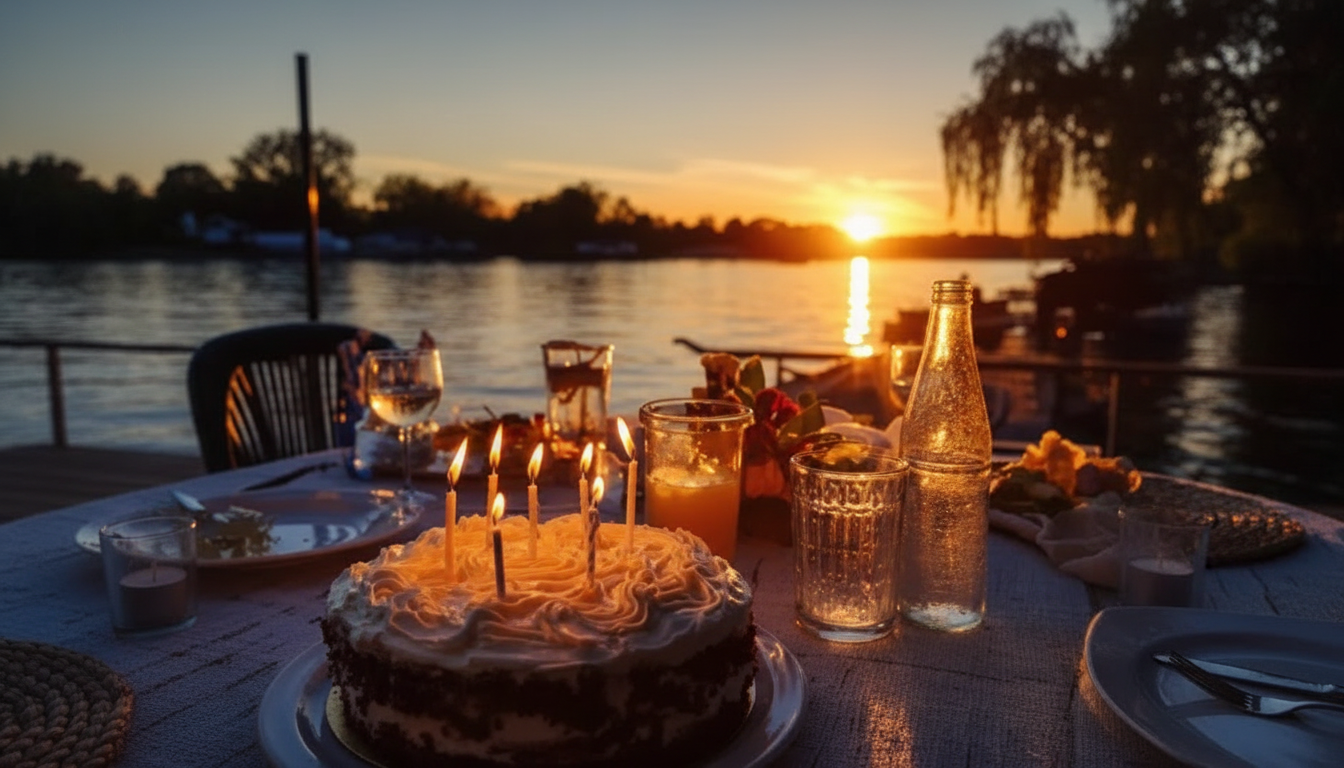
Birthday Escapes: Planning the Perfect Celebration Trip
A birthday trip can feel effortless when the big decisions are made early: who’s going, what the celebration vibe is, and how to protect the budget and timeline. This guide lays out a practical plan—from choosing the destination to building a day-by-day itinerary—plus a simple checklist to keep details from slipping through the cracks.
Start with the birthday vision
Before you compare flight prices or scroll hotels, decide what the birthday is meant to feel like. A clear “vision” keeps every later choice—dates, destination, lodging, and activities—pointing in the same direction.
- Pick a celebration style: relaxation retreat, foodie weekend, adventure milestone, city nightlife, or family-friendly getaway.
- Set non-negotiables: a must-do activity, preferred weather, travel time limit, accessibility needs, and daily pacing (slow vs. packed).
- Choose the trip format: solo reset, couple’s getaway, small group, or multi-family trip.
- Plan around 1–2 “anchor moments”: a special dinner, a show, a spa day, a sunrise hike, or a private tour.
Celebration styles and destination fit
| Celebration style | Best for | Ideal trip length | Destination cues |
|---|---|---|---|
| Relax & recharge | Burnout recovery, quiet milestone | 3–5 days | Beach towns, hot springs, cabin stays |
| Food & culture | Neighborhood exploring, museums, dining | 2–4 days | Walkable cities, market districts |
| Adventure | Big birthdays, friend groups | 4–7 days | National parks, mountain towns |
| Nightlife & events | Late nights, shows, festivals | 2–3 days | Major cities, entertainment hubs |
| Family-friendly | All ages, flexible plans | 3–6 days | Resorts, theme parks, easy logistics |
Pick dates that protect the vibe (and the budget)
Date choice is where fun trips either stay breezy—or become rushed and overpriced. Give yourself room for delays, late check-ins, and the reality that the best celebration moments take time.
- Target shoulder season when possible for better rates and fewer crowds.
- Use a “buffer day” rule: for short trips, avoid traveling on both the arrival day and the main celebration day if you can.
- For groups, lock the date first: then pick the destination; set an RSVP deadline so planning doesn’t stall.
- Build around constraints: school calendars, passport validity, work blackout periods, and major local events that can spike prices.
If international travel is involved, check the latest entry requirements and advisories early via the U.S. Department of State, and review health guidance on CDC Travelers’ Health.
Set a realistic trip budget that won’t surprise anyone
A birthday trip budget works best when it’s specific, shared (for group trips), and built with a cushion. The goal isn’t to make everything cheap—it’s to prevent awkward money moments once you arrive.
- Separate costs: transportation, lodging, food, activities, local transport, tips, plus a 10–15% cushion.
- Clarify shared vs. individual expenses: suites, groceries, tours, and the birthday dinner are common “split” items.
- Try “one splurge, two saves”: choose one premium experience (private boat, chef’s table, spa package), then keep two categories modest.
- Decide how gifts work: either contribute to an experience or keep gifting separate from trip costs.
Choose the destination with a simple scoring method
Instead of debating endlessly, score 3–5 options on a few practical criteria. This keeps the choice objective—especially helpful when friends or family want different things.
- Score each destination on travel time, cost, weather, safety/comfort, and activities.
- Prioritize ease for short trips: direct flights, minimal transfers, and walkable neighborhoods.
- Match the destination to the guest list: nightlife for friends, slower pacing for mixed ages, kid-friendly logistics for families.
- Check practicalities early: entry requirements, local transportation, and whether reservations are needed weeks ahead.
Book in the right order to avoid rework
Booking in a smart sequence reduces “domino effect” changes. Once the big pieces are locked, you can plan fun details without worrying that one switch will unravel everything.
- Transportation vs. lodging: book flights first if prices are volatile; book lodging first if it’s a high-demand weekend.
- Pick a lodging neighborhood that fits the pace—quiet for rest, central for walkability, or near venues for event weekends.
- Reserve anchor moments next: birthday dinner, tickets, tours, spa slots, rental car.
- Centralize confirmations: keep confirmation numbers in one place and save screenshots for offline access.
For smoother airport days, review current ID and screening expectations using TSA travel tips.
Build a flexible birthday itinerary (without overplanning)
The best itineraries feel structured but not tight. Aim for a clear “main plan” each day, then leave space for wandering, naps, and spontaneous finds.
Packing and prep that prevents last-minute stress
Make the celebration feel personal
Tools to keep planning simple (and actually organized)
- Birthday Escapes: Planning the Perfect Celebration Trip – eBook guide and travel planning checklist (a focused framework for budgets, anchor moments, and day-by-day flow)
- Adidas Women’s White Faux Leather Sneakers (an easy-to-style option for walking-heavy city birthdays)
- Stainless Steel Serving Set (handy for vacation rentals, picnic-style birthday spreads, and shared snacks)
FAQ
How far in advance should a birthday trip be planned?
For a domestic weekend, 4–8 weeks is usually enough to get good flight/hotel options; for international trips, plan 3–6 months ahead. Add extra lead time for peak seasons, big birthdays with premium reservations, or any trip that requires coordinating multiple schedules.
How can a group birthday trip be planned without constant back-and-forth?
Use one decision-maker (or a small planning duo), set a clear RSVP deadline, and agree on a budget range before you debate destinations. Then keep everything in one shared itinerary doc so people can reference details without repeated group chats.
What should be prioritized first when planning a birthday vacation?
Lock the guest list and dates first, then book transportation and lodging, then reserve the 1–2 anchor experiences that define the celebration. Build in buffer time and keep a small budget cushion so minor changes don’t derail the trip.











Leave a comment