5-Piece Lipless Crankbait Set: Retrieve and Care Guide
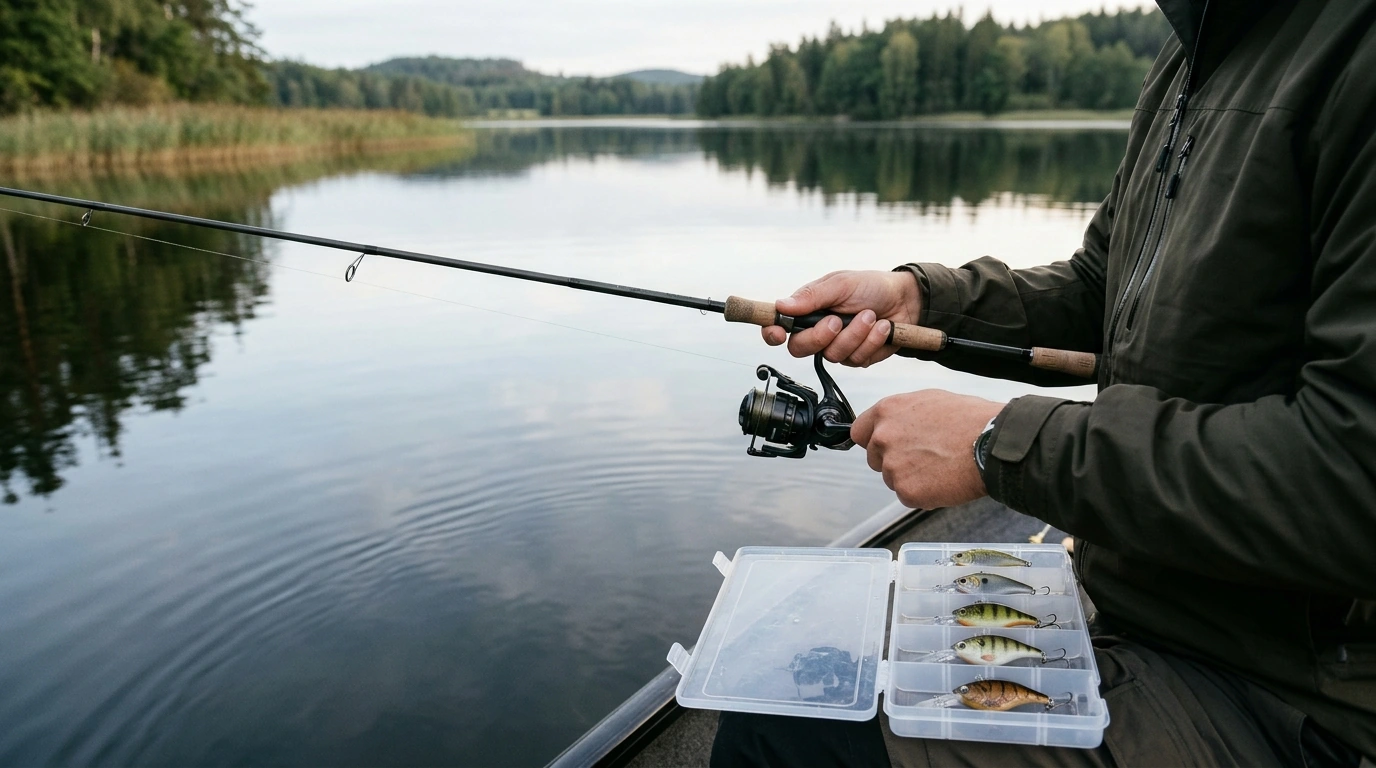
A sinking lipless crankbait gives you a simple way to explore a stretch of water: cast, let it descend, and retrieve it at a pace you can control. Our five-piece set offers a practical starting point if you want to experiment with different depths and retrieve styles without changing your basic approach. For more guidance, see Why The Lipless Crankbait Should Be Your Go-To for Bass ….
Rather than searching for one perfect retrieve, start with a repeatable cast and make small adjustments. A slightly longer countdown, a slower turn of the reel, or a brief pause can change where and how the lure travels through the water. For further reading, see The Top 100 Fresh Water Fishing Lures of All Time.
What Comes in the Set
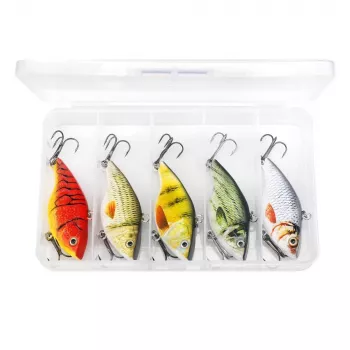
Our 5-piece lipless vibration fishing lure set includes five sinking crankbaits, each listed at 2.75 inches. The lipless design is meant to be retrieved through the water, and its sinking action gives you room to adjust your presentation.
Letting the lure sink longer before you start retrieving can help you explore deeper water. Beginning the retrieve sooner can help keep it higher. Your retrieve speed also affects its path, so adjust one thing at a time as you learn the area.
Set at a Glance
| Detail | Product information |
|---|---|
| Quantity | 5 lures |
| Style | Lipless vibration crankbaits |
| Length | 2.75 inches |
| Action | Sinking |
Visit the product page for current price and availability. Our team recommends keeping your first few casts straightforward so you can get a feel for the lure before adding more variation.
Finding a Useful Retrieve
A steady retrieve is a useful starting point. Cast into an open area, engage the reel, and turn the handle at a consistent pace. Pay attention to the feel of the lure through the rod and how much water you cover before it returns.
Once you have a baseline, try the same cast a little faster or slower. A comfortable pace is one you can maintain while staying aware of the lure and the surroundings. If you change speed on every cast, it can be harder to tell which adjustment helped you fish the area you intended.
To explore below your initial path, let the lure sink for a short count before retrieving. Start with a count of two or three, then extend it on later casts if the water is deep enough and clear of obstacles. The actual depth will vary with conditions, so treat the count as a repeatable reference rather than a depth measurement.
You can also add an occasional pause or a gentle rod movement. During a pause, the sinking lure can drop, so resume the retrieve before it reaches an area where it may snag. Small movements are enough to vary the presentation; you do not need to jerk the rod sharply.
Working Different Water
In open water, make repeated casts across a manageable area. Work one direction, then shift your next cast to cover nearby water. If you notice the bottom getting shallower, shorten your countdown or begin reeling sooner. If you move toward deeper water, a longer count may help you reach a different part of the water column.
Keep the lure above rocks, branches, vegetation, and other bottom obstacles when possible. If you feel it contacting the bottom, retrieve sooner on the next cast or adjust your speed. A pause that works over a clear, deep area may not be suitable over a shallow, snag-filled stretch.
Wind, current, and your casting angle can also change the lure’s path. Make a small adjustment, repeat the cast, and watch how your line moves. This measured approach helps you cover water while reducing unnecessary snags and lost fishing time.
Before heading out, check the fishing regulations for your location, including license requirements and any rules for the water you plan to visit. The U.S. Fish and Wildlife Service fishing page is a useful starting point for general fishing information; consult the relevant local authority for rules that apply to your trip.
For time away from the water, our Adidas women’s white faux leather sneakers are another in-stock option for everyday wear. Choose footwear appropriate to the terrain and conditions where you fish.
Handling and Storing the Lures
Before each session, inspect your line connection and check the hooks for damage or looseness. Retie a worn connection before casting, and handle the hooks carefully when attaching or removing a lure. Keep your hands clear of hook points, especially when a lure is moving.
After fishing, rinse the lures with fresh water and dry them before putting them away. This is particularly helpful after saltwater exposure. Store them in a tackle box with lures and hooks separated where practical; individual compartments can make them easier to find and help prevent tangles.
A quick check while packing up also gives you a chance to spot a problem before your next trip. That leaves you ready to spend more time practicing the retrieve and less time sorting gear at the water.
FAQ
How many lures are included?
The set contains five lipless sinking crankbaits, each listed at 2.75 inches.
How do you fish a sinking lipless crankbait?
Cast it, let it sink for a chosen count, and retrieve steadily. Vary the count and retrieve speed to explore different parts of the water.
How should fishing lures be stored after use?
Rinse and dry the lures before placing them in a tackle box. Keep hooks separated where practical to help prevent tangles.










Leave a comment