1:18 2WD High-Speed RC Climbing Truck Off-Road Guide
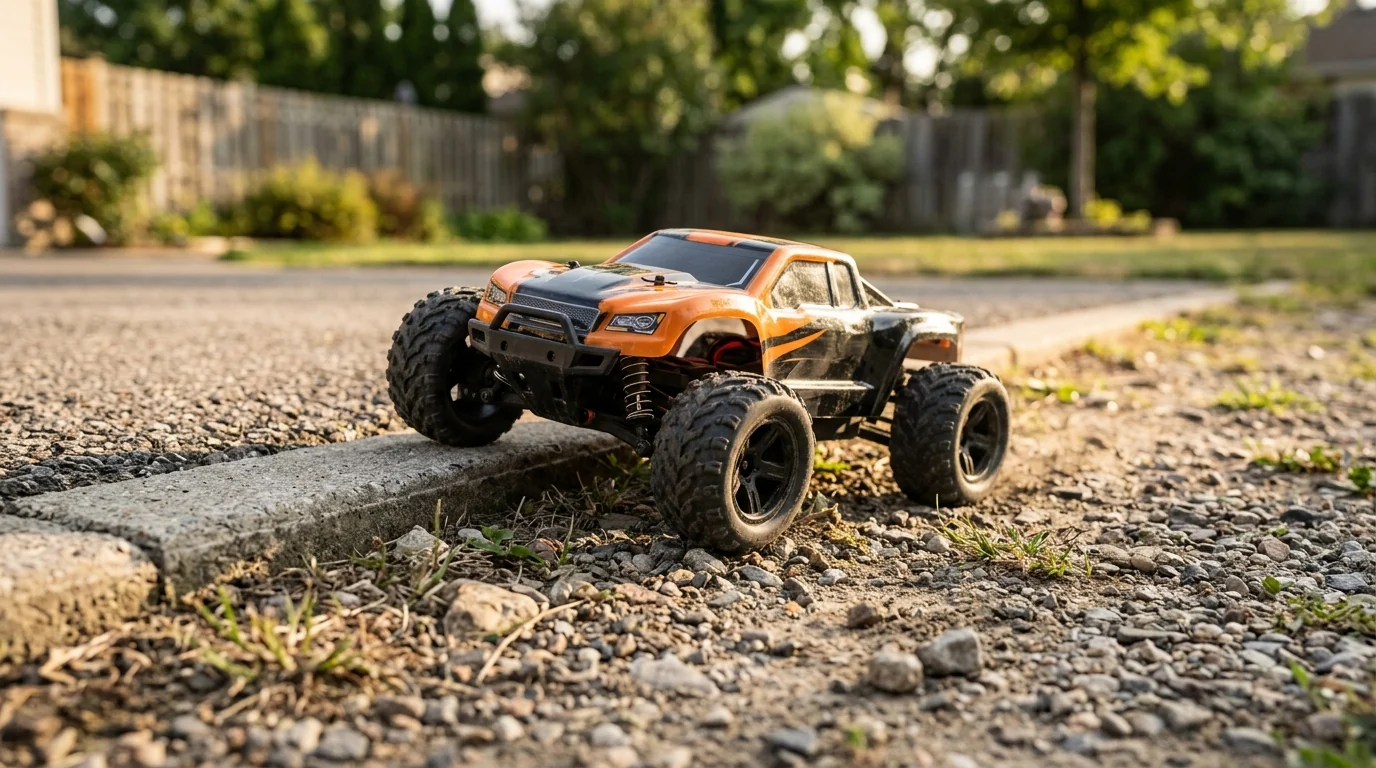
2WD High-Speed RC Climbing Truck (1:18): Off-Road Fun That Fits Anywhere
Built for curb hops, gravel runs, and backyard trails, this 1:18 2WD high-speed RC climbing truck brings off-road energy to a size that’s easy to store, carry, and hand off for quick turns. It’s the kind of remote control car that turns ordinary spaces—driveways, dirt patches, playground edges—into a mini course with climbs, bumps, and fast sprints.
What this RC truck is made for
If you want a compact truck that’s ready for quick sessions, this 1:18 scale format shines. Our team likes it for the way it encourages “make your own track” creativity without needing a huge field or a dedicated RC park.
- Quick, casual off-road driving in small-to-medium spaces (driveways, patios, packed dirt, short grass).
- Climbing over everyday obstacles like sidewalk seams, small rocks, and low roots—more “crawler-style play” than precision competition crawling.
- A grab-and-go option for family time: compact 1:18 scale makes it easier to transport than larger RC trucks.
- An entry-friendly pick for anyone who wants an off-road look and feel without jumping into complex builds or upgrades.
Why 2WD can be the right kind of simple
2WD often gets overlooked next to 4WD, but simplicity is part of the fun—especially when you’re learning control. With 2WD, you’ll feel how throttle and steering work together, and you’ll get better fast because the truck “talks back” through its handling.
- Easier handling basics: 2WD encourages learning throttle control, steering timing, and momentum—skills that carry into any RC style.
- Less to manage: fewer driven wheels often means a more straightforward driving feel for first-time users.
- Fun slide-and-turn behavior: on loose surfaces, 2WD tends to feel lively, letting drivers practice controlled fishtails and cornering lines.
- Great for mixed terrain: while 4WD can add traction, 2WD still performs well on packed dirt, gravel, and pavement with smart driving lines.
Best places to run it (and what to avoid)
A small truck can be surprisingly capable, but surface choice matters. Smooth-to-moderate terrain keeps it responsive, and you’ll spend more time driving and less time carrying it back from a stall.
- Best surfaces: pavement, concrete, gravel, packed dirt, and short, dry grass—these keep the truck predictable.
- Good obstacle ideas: small ramps, flattened cardboard “jumps,” curb cuts, and gentle slopes for climbing practice.
- Avoid: standing water, deep mud, and very tall grass that can bog down small-scale RC trucks and strain moving parts.
- Cold/heat note: extreme temperatures can reduce battery performance and shorten play sessions; letting the car return to room temperature before charging supports battery care.
For general toy safety reminders (especially when younger drivers are involved), the U.S. Consumer Product Safety Commission has a helpful resource: https://www.cpsc.gov/Safety-Education/Safety-Education-Centers/Toy-Safety.
Quick-start setup and driving rhythm
The fastest way to have a great first run is to start flat, then add difficulty in layers. You’ll get smoother throttle control, fewer rollovers, and cleaner climbs.
- Start on a flat surface: confirm basic steering and throttle response before heading to rough terrain.
- Use short throttle bursts on climbs: steady pulses help maintain traction without spinning out.
- Plan lines like a trail: approach bumps diagonally when possible to keep momentum and reduce sudden hang-ups.
- Reset after tumbles: pick up the truck, check wheels spin freely, and keep hair/threads away from axles to prevent binding.
Simple first-session checklist
| Step | What to do | Why it matters |
|---|---|---|
| 1 | Choose a dry surface with room to turn | Helps prevent early rollovers and keeps control predictable |
| 2 | Test steering left/right and gentle throttle | Confirms responsiveness before rough terrain |
| 3 | Try small obstacles first (seams, pebbles, low ramps) | Builds confidence and reduces hard impacts |
| 4 | Practice stop-and-turn, then wide figure-eights | Improves timing and reduces spinouts |
| 5 | After the run, remove debris from wheels/axles | Keeps parts moving freely and extends play life |
Care basics that keep off-road sessions smooth
A little post-run care goes a long way, especially after dust, sand, or dry grass. Your goal is simple: keep moving parts moving and keep charging habits safe and consistent.
For practical battery safety guidance at home, NFPA’s lithium-ion safety page is worth a read: https://www.nfpa.org/education-and-research/home-fire-safety/lithium-ion-batteries.
Who it’s a great match for
In-stock picks from our store
- 2WD High-Speed RC Climbing Truck 1:18 Off-Road Remote Control Car
- Abdominal Wheel for Strengthening Muscles
- Stainless Steel Serving Set
FAQ
Is a 2WD RC climbing truck good for off-road use?
Yes—2WD can handle plenty of everyday off-road surfaces like packed dirt, gravel, and short grass if you drive with smart lines and steady momentum. You’ll get simple, lively handling, with the main limitation being reduced traction on very loose surfaces or steep climbs compared with 4WD.
What surfaces work best for a 1:18 off-road RC truck?
Pavement, concrete, gravel, packed dirt, and short, dry grass typically work best because they keep the truck responsive without bogging it down. Deep grass, standing water, and mud are better avoided to reduce strain and prevent performance issues.
How can the truck be kept running well after dusty or sandy play?
Brush off dust and grit, then check wheels and axles for wrapped grass, hair, or thread and remove it carefully. Let the truck cool before charging, and store it in a clean, dry place between runs.










Leave a comment