Striped Pet Sweater: Cozy Warmth for Dogs & Cats
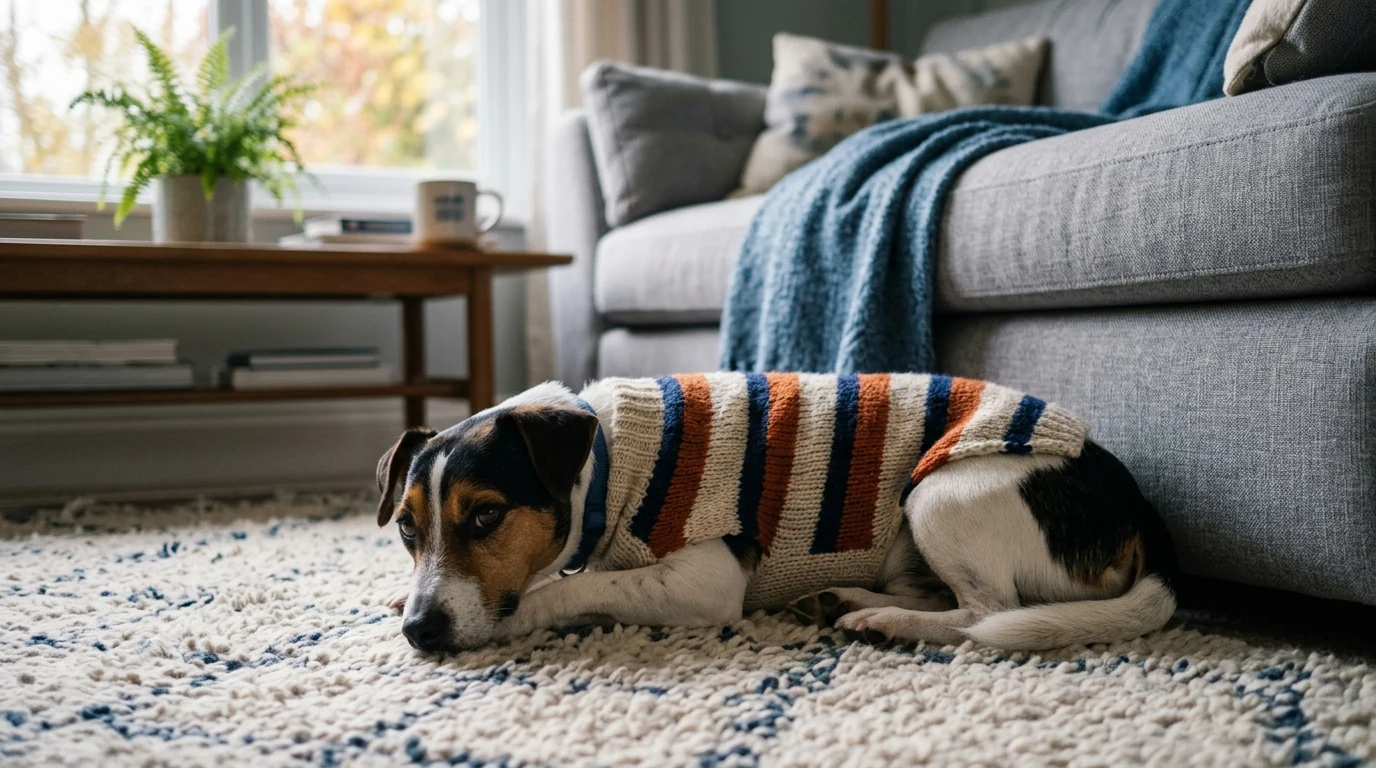
Cozy Striped Pet Sweater for Dogs & Cats
Cold floors, drafty walks, and chilly mornings can turn even the most confident pet into a shiver-and-curl-up expert. Our Cozy Striped Pet Sweater for Dogs & Cats is a simple layer that adds warmth without making movement feel restricted—easy to slip on, easy to style, and comfortable for everyday wear around the house or on quick outings.
If you’re looking for a no-fuss way to take the edge off cooler temps, you can start here: Cozy Striped Pet Sweater for Dogs & Cats.
What this sweater is made to do
- Add a practical layer of warmth for small-to-medium pets that get cold easily, especially short-haired breeds, seniors, and pets that spend time in cooler rooms.
- Offer a comfortable “grab-and-go” option for quick potty breaks, car rides, and indoor lounging where a full coat feels like too much.
- Bring a classic striped look that reads cozy and tidy—cute enough for photos, but primarily built for day-to-day wear.
- Keep dressing simple: a pet sweater should be easy to put on, not a multi-step outfit that turns into a wrestling match.
For broader cold-weather safety guidance (especially when temperatures drop quickly), we also recommend reviewing tips from the American Veterinary Medical Association (AVMA) and the ASPCA.
Fit comes first: how to measure and choose the right size
A warm sweater only helps if it fits comfortably. Before choosing a size, measure three areas: neck, chest (girth), and back length. In most cases, the chest measurement is the deciding factor for sweaters because it affects breathing, shoulder movement, and how easily your pet can sit or curl up.
Quick measuring checklist (no guesswork)
| Area | How to measure | What a good fit feels like |
|---|---|---|
| Neck | Around the base of the neck (collar line) | Comfortable, not pressing into fur/skin |
| Chest (girth) | Around the widest part, behind front legs | Breathing and shoulder movement stay easy |
| Back length | Base of neck to base of tail | Covers back without restricting tail or hind legs |
| Leg openings | Check after dressing | No rubbing at armpits; steps look natural |
Our team’s sizing rules of thumb
- Use a soft tape measure and keep it snug-to-body without tightening down.
- Neck: measure where a collar sits; leave a little room so it isn’t constricting.
- Chest: measure the widest part of the ribcage, just behind the front legs—this prevents tightness when your pet sits, stretches, or trots.
- Back length: measure from the base of the neck to the base of the tail; a good sweater covers the back without riding up or covering the tail.
- Try the “two-finger” comfort rule at the chest: when the sweater is on, two fingers should slide between fabric and body without forcing.
- If you’re between sizes, prioritize chest room first; a slightly longer back is usually easier to live with than a tight chest.
Comfort details that matter during real-life wear
Everyday wear is where a sweater proves itself. You want warmth without bulk, and comfort without constant adjusting. After you put the sweater on, watch how your pet moves for a minute: sitting, walking, stretching, and turning should look natural.
- Shoulders and armpits are the first places that show a bad fit. If fabric bunches behind the front legs or your pet steps “short,” the chest may be too tight.
- For cats, freedom is everything. Make sure the chest and shoulder area isn’t restrictive so jumping and full-body stretching stay normal.
- If your dog wears a harness, avoid compressing straps under the sweater. In many cases, it’s more comfortable to put the sweater on first, then place the harness over the sweater so straps sit flat.
- For indoor use, prevent overheating. If your home runs warm, use the sweater in shorter sessions (morning and evening chill times) rather than all day.
When a pet sweater is especially useful
- Cold mornings and evenings: a quick layer can reduce shivering during routine walks and bathroom breaks.
- Air-conditioned homes: some pets get chilly on tile or wood floors even in warmer months.
- Post-grooming: pets can feel colder after a trim; a sweater helps them settle back into comfort.
- Travel: car rides and hotel rooms can be drafty; a sweater is lightweight and easy to pack.
- Senior pets: older dogs and cats often appreciate added warmth for joint comfort and overall relaxation.
Care and safe-wear habits for daily use
A simple way to add warmth without overcomplicating your routine
Ready to add a warm layer to your pet’s essentials? Shop our Cozy Striped Pet Sweater for Dogs & Cats.
More in-stock picks from our store
FAQ
How do I pick the right size for my dog or cat?
Measure neck, chest (girth), and back length before choosing a size, and prioritize the chest measurement for comfort. Use a two-finger comfort check at the chest once it’s on. If your pet falls between sizes, choose the option with the roomier chest fit.
Can cats wear this sweater comfortably?
Yes—when it’s properly sized so the chest and shoulders aren’t tight, many cats wear a sweater comfortably. Introduce it briefly while supervised and make sure jumping, stretching, and walking look normal. Remove it if your cat shows stress or restricted movement.
How should I wash a pet sweater to keep it soft?
Wash gently using mild detergent and avoid high heat, which can be rough on soft fibers. Let it dry fully before your pet wears it again to help maintain comfort. If your sweater includes specific care directions, follow those for best results.









Leave a comment