Why People Are Ditching Bluetooth Headphones in 2026
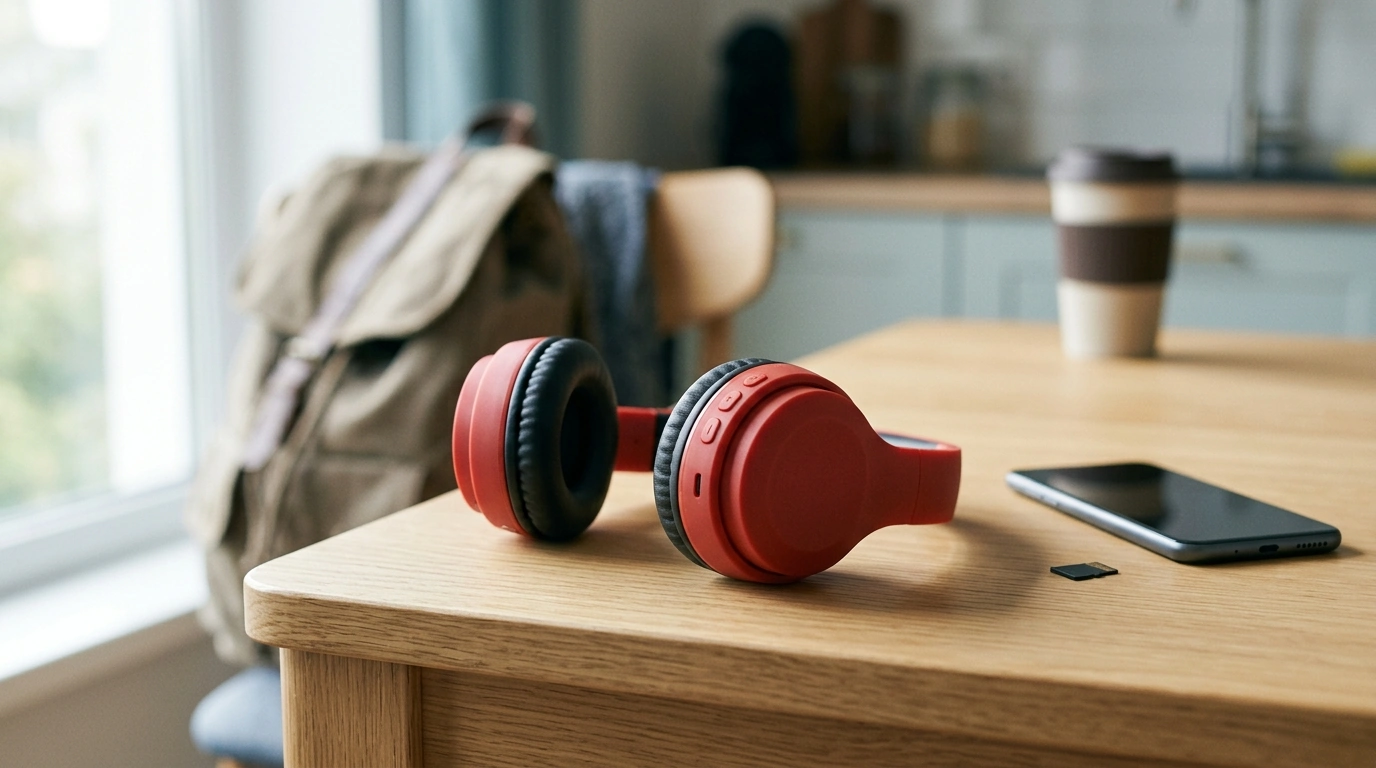
Why are people ditching Bluetooth headphones?
People are moving away from Bluetooth headphones for a simple reason: convenience isn’t always convenient. Wireless audio can feel effortless—until battery life, pairing glitches, or lag gets in the way. When headphones become another device to manage, some shoppers start looking for alternatives that behave more predictably day to day.
Battery anxiety and charging fatigue
Bluetooth headphones require power for both audio and connectivity. If you forget to charge them, they can die mid-commute, mid-workout, or mid-call. Even with “all-day” models, battery capacity drops over time, which can shorten runtime and make older sets feel unreliable.
Unstable connections and annoying pairing
Bluetooth is generally solid, but interference in crowded areas (gyms, offices, airports) can cause dropouts or stutter. Pairing can also be messy when switching between a laptop, tablet, and phone—especially if a device “steals” the connection or refuses to reconnect quickly.
Latency that ruins video and gaming
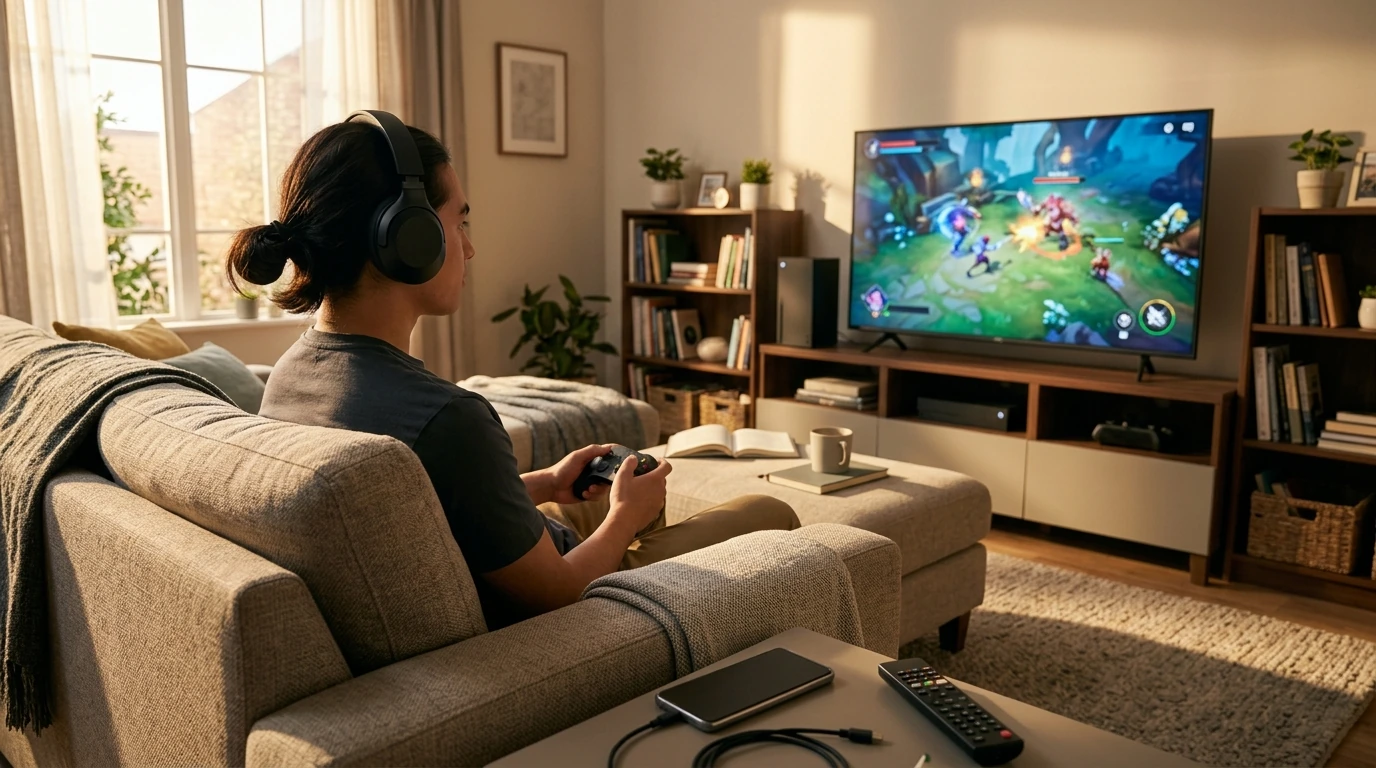
For streaming and gaming, audio delay is a deal-breaker. Even slight latency can make dialogue look off or games feel less responsive. Some codecs reduce lag, but they’re not universal across devices, so results vary.
Call quality and controls that don’t cooperate
Mic performance can be inconsistent, especially outdoors or in windy conditions. Add touch controls that misfire, auto-pause sensors that trigger by mistake, or apps that require updates, and wireless can start feeling finicky instead of freeing.
Why some shoppers prefer “offline” playback options
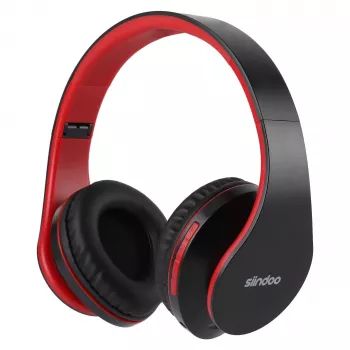
A growing number of people want headphones that can keep playing without relying on a phone connection. Models with built-in SD card slots, FM radio, and onboard controls can sidestep Bluetooth hiccups while still offering portability. For examples and feature comparisons, see this guide to Bluetooth headphones with SD card, FM radio, and mic.
FAQ
Do headphones with an SD card work without a phone?
Yes. If the headphones have a microSD/TF card slot and a built-in player, they can play stored music directly without a phone or Bluetooth connection.







Leave a comment