Washable Plush Pet Bed: Super Soft Comfort for Cats & Dogs
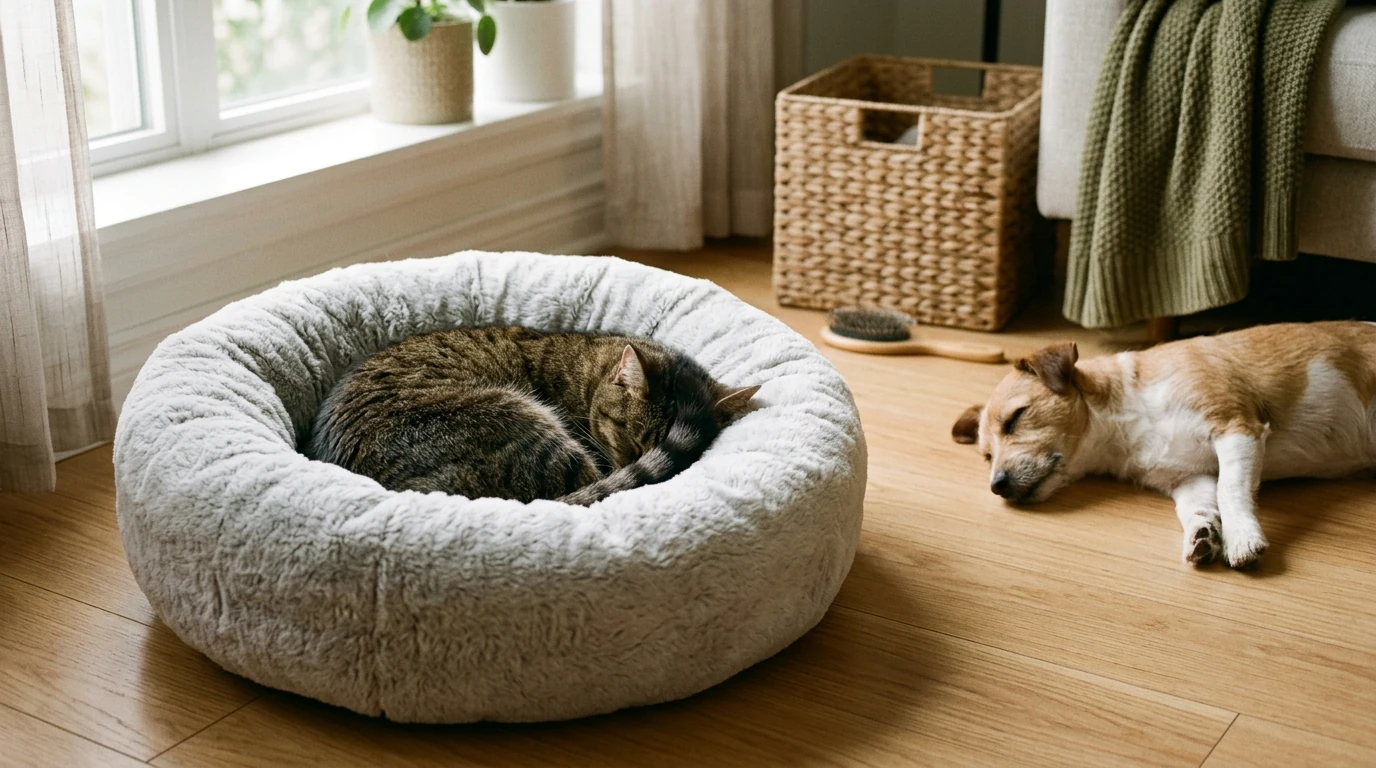
Super Soft Washable Plush Pet Bed for Cats & Small Dogs: Comfort That’s Easy to Keep Clean
A cozy, plush bed can help cats and other small companion pets rest more comfortably while keeping shedding and everyday mess easier to manage. The right choice comes down to a few practical details—softness, support, sizing, cleaning, and where the bed fits into daily life at home. For general pet well-being guidance, reputable references like the American Veterinary Medical Association (AVMA) and ASPCA Cat Care can be helpful companions to your routine.
What Makes a Plush Pet Bed Feel “Safe” and Comfortable
Many cats gravitate toward plush sleep surfaces because the texture encourages natural nesting behaviors—turning in circles, kneading, and settling into a “pocket” before dozing off. When the fabric feels warm and gentle against fur, it can also be especially appealing for pets that seek heat, curl tightly, or like to tuck paws under their body.
A dedicated bed does more than add softness. It creates a consistent resting spot that can reduce spillover onto couches, laundry piles, and favorite chairs. Over time, that familiar spot (and familiar scent) can become part of a calming routine—especially useful for pets that nap frequently, startle easily, or prefer predictable spaces.
Key Features to Look For in a Washable Plush Bed
“Plush” shouldn’t mean “pretty but flimsy.” A great washable bed balances comfort with materials that hold up to real life: shedding, dander, tracked-in litter, and the occasional hairball.
- Soft outer fabric: Look for a surface that stays comfortable against fur and skin, without feeling scratchy or overly slick.
- Cushioning that doesn’t collapse: The bed should provide gentle support and resist going flat after a few uses, especially in the center where most pets settle.
- Truly washable construction: Being able to wash the bed (not just a thin cover) helps control odors and keeps the sleep space fresher.
- A shape that matches rest habits: Some pets want a shallow “mat” feel, while others prefer a cozier, slightly cupped surface that supports curling and nesting.
Sizing and Fit: Getting the Right Bed for a Cat (and Other Small Pets)
Fit is where comfort becomes obvious. A bed that’s too small can feel restrictive; too large can feel exposed for pets that like boundaries. A simple way to choose is to measure your pet from nose to base of tail while they’re resting in their most common position, then add a few inches so they can shift without falling off the edge.
Sleeping style matters, too. Curlers often prefer a snugger footprint that makes them feel “held,” while pets that stretch out or switch positions during naps usually do better with extra length. If you’re between sizes, sizing up is often the safer pick for growing pets or anyone who alternates between curling and stretching.
Washability and Care: Keeping the Bed Fresh
Regular washing helps reduce odor buildup and can support a cleaner indoor environment, especially in rooms where the bed is used daily. It also helps manage dander and the fine dust that can collect on plush fabrics.
- Pre-clean before washing: Shake out loose hair and debris outside or over a trash bin. This helps prevent drain clogs and improves cleaning performance.
- Use a gentle approach: When possible, use a gentle cycle and a pet-safe detergent. Strong fragrances can linger and may discourage use.
- Dry thoroughly: A fully dry bed is key to avoiding musty smells. If the bed is thick, pause drying mid-cycle to fluff and rotate it so the interior dries evenly.
- Reduce stress during wash day: If your pet is routine-oriented, keep a familiar blanket or small towel available as a temporary “stand-in” while the bed is being cleaned.
Simple care routine by household type
| Household situation | Suggested routine | Notes |
|---|---|---|
| Single indoor cat | Wash every 2–4 weeks | Spot-clean in between for hair and minor spills. |
| Pet that spends time outdoors (supervised) | Wash every 1–2 weeks | Wipe paws and brush coat to reduce tracked-in debris. |
| Allergy-sensitive home | Wash weekly | Vacuum around the bed area and keep a consistent schedule. |
| Multiple pets sharing | Wash weekly (or more) | Consider a second bed to rotate while one dries. |
Where to Place a Plush Bed for Best Use
Who This Style of Bed Typically Suits Best
Plush Bed vs. Other Common Pet Bed Types
Practical Tips for Helping a Pet Use the New Bed
Featured Picks (In Stock)
- Super Soft Washable Plush Pet Bed for Cats & Small Dogs — a cozy, easy-care option designed for everyday lounging and frequent refreshes.
- Stainless Steel Serving Set — a handy, durable set for everyday home use, including quick portioning and easy cleanup.
FAQ
How often should a washable pet bed be cleaned?
For most homes, washing every 1–4 weeks works well, with spot-cleaning in between for hair and small messes. If odors build up faster or the bed is used constantly, wash weekly and make sure it dries fully to prevent musty smells.
Will a plush bed be too warm for some pets?
Some pets do prefer cooler surfaces, especially in warm rooms or during summer. If your pet moves off the bed frequently, pants unusually, or seeks tile floors, place the bed away from heaters/direct sun and keep an alternate cooler resting spot available.
What size bed is best for a cat or small dog that likes to curl up?
Measure your pet’s resting length (nose to base of tail) and add a few inches so they can curl without feeling cramped. Curlers often like a snug fit, but if your pet sometimes stretches out or is still growing, sizing up can prevent the bed from feeling too tight.










Leave a comment